
Building Earthing System

كل تصميماتنا مطابقة للكود السعودى والدولى

معتمدين من بلدى

معتمدين من امانة الرياض

معتمدين من هيئة مدن

معتمدين من الدفاع المدنى

Learn about the importance of contracting with an accredited engineering consultancy, the conditions and requirements involved, and how to choose the best engineering offices to manage and design your projects effectively and efficiently.
Contact us now or reach us on WhatsApp at the following number:
0557984942

© 2012 All Rights Reserved

Building Earthing System


Building Earthing System: A Short Guide Why grounding matters An effective earthing (grounding) system provides a low-resistance path for fault currents to travel safely to the earth. This protects people from electric shocks, helps circuit breakers trip quickly during faults, stabilizes voltage during lightning or surges, and reduces damage to appliances and metalwork. A well-designed earthing system is a fundamental safety feature of any building. Key concepts and components - Earth electrode: a physical conductor or network that reaches the earth, such as a steel rod driven into the ground, a buried plate, or a buried conductor acting as a grounding grid. - Earth electrode conductor (GEC): the conductor that connects the building’s electrical installation to the earth electrode. - Protective Earth (PE) conductor: the conductor that runs from electrical outlets, appliances, and devices back to the earth network, enabling fault currents to return safely. - Main bonding/earthing point: the central connection where the PE, GEC, and sometimes neutral (in certain systems) are joined at the service entry. - Bonding: linking other metallic services (water pipes, gas pipes, structural steel) to the earthing system to reduce dangerous potential differences (equipotential bonding). Common earthing arrangements - TN-S: Protective earth and neutral are separate conductors throughout the installation and are properly bonded at the service entry. - TN-C-S (Earth is partly combined with neutral, often called PME or TN-C-S): Neutral and earth are combined in the supply network and separated within the building at the main bonding point. - TT: The building has its own earth electrode, and the protective earth comes from a separate connection to the utility’s earth; the local electrode provides the grounding path. - IT: Less common in typical homes; the supply may be isolated from earth or connected through high impedance, used in some specialized electrical systems. General approach to building an earthing system (high level) - Land and soil: The soil's resistivity affects performance. A professional will assess soil conditions and determine the type and size of the earth electrode(s) needed. - Earth electrode options: driven rods, buried plates or mats, and grounding rings or grids. Materials are typically copper or galvanized steel to resist corrosion. - Sizing and connections: The earth conductor and bonding conductors are sized to handle fault currents safely and are designed to withstand environmental conditions. All connections should be mechanically secure and corrosion-resistant. - Compliance: Installations should follow local electrical codes and standards (examples include IEC 60364, NEC 250 in the United States, IS 3043 in some regions, or BS/EN equivalents). In many places, a licensed electrician or electrical engineer must design and install the system. - Safety and testing: After installation, the earth resistance is tested to ensure it meets code requirements. Regular maintenance and periodic testing are recommended. What to consider during design and installation - Local codes and standards: Always follow the specific rules for your country or region. They dictate acceptable earth resistance, bonding requirements, and how the system should be tested. - Separate or combined networks: The choice between TN-S, TN-C-S, or TT arrangements depends on the supply network, local regulations, and risk considerations. - Bonding of services: Bond metallic water pipes, gas lines, and structural steel to the earthing system as required to avoid dangerous potential differences. - Durability and corrosion protection: Use materials designed for underground or outdoor use and protect exposed connections from moisture and corrosion. - Accessibility for testing: Provide accessible points for measurement and testing of earth resistance and connections. Maintenance and testing - Periodic inspection: Check all exposed earth and bonding connections for loose joints, corrosion, or damage. - Re-test earth resistance: Have a qualified electrician perform earth resistance tests after major renovations, after electrical faults, or on a regular maintenance cycle (often every few years, per local code). - Documentation: Keep records of the installation details, electrode type, conductor sizes, and testing results for future maintenance or inspections. Note and safety This article provides a general overview. Grounding systems are critical for safety and must be designed and installed according to local codes by qualified professionals. If you’re unsure or making changes to an existing electrical system, consult a licensed electrician or electrical engineer and obtain any required permits or inspections. If you’d like, I can tailor this article to your country or region (specific standards like IEC, NEC, IS, or BS), or provide a shorter version for a quick read.


Building Earthing System

We are a consulting and contracting company in the same group, For pricing or design download our app, For any purchasing please contact us ASAP 


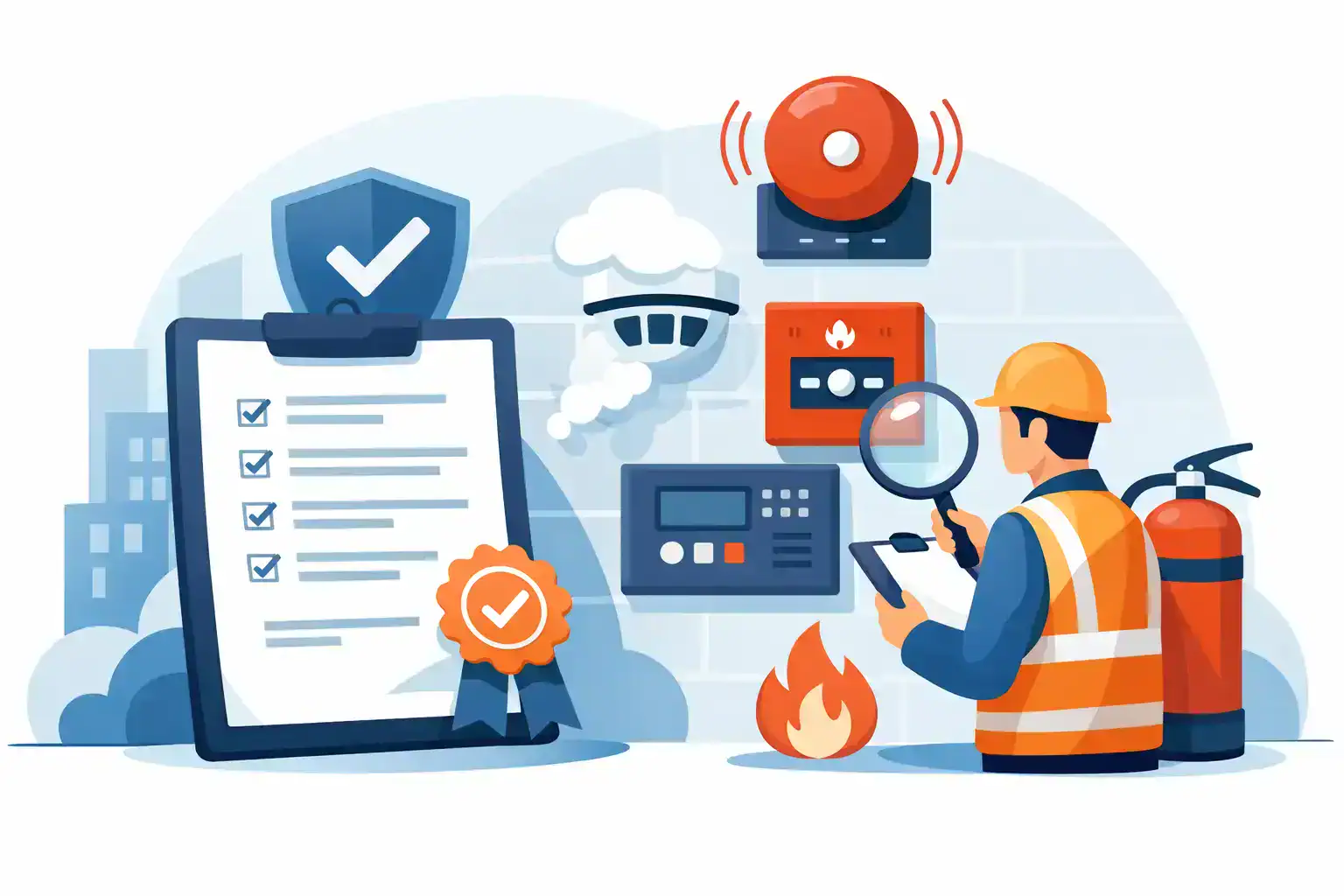
All designs are according to NFPA

© 2020 All Rights Reserved

Engineering & Safety Consulting Company Saudi Arabia
Saif – Engineering & Safety Consulting

Integrated Engineering & Safety Consulting Services

We are a specialized engineering consulting firm delivering comprehensive architectural, structural, mechanical, electrical, fire protection, industrial, oil & gas, and environmental engineering services. All designs, studies, and reports are prepared in full compliance with SBC, NFPA, FIDIC, API, ISO, and Saudi Civil Defense & MODON requirements.

🔧 1. General Engineering Consulting

  • FIDIC Contract Administration & Claims Management
  • Engineering Feasibility Studies & Technical Due Diligence
  • Project Management & Technical Supervision
  • Engineering Risk Analysis for Mega & Industrial Projects

🏗️ 2. Civil & Structural Engineering Consulting

  • Structural design of reinforced concrete & steel buildings
  • High-rise towers, bridges, tunnels, and road structures
  • Geotechnical & soil investigation studies
  • Seismic, wind & load analysis (ETABS / SAFE)
  • Structural assessment & retrofit of existing buildings

📐 3. Architectural Design & Urban Planning

  • Residential, commercial & mixed-use architectural design
  • Façade engineering & sustainable green architecture
  • Urban planning & master planning services
  • BIM modeling & coordination (Revit Architecture)

⚙️ 4. Mechanical Engineering Consulting

  • HVAC systems design & energy optimization
  • Water supply, drainage & plumbing systems
  • Pumping stations, compressors & industrial cooling
  • Fuel systems: Diesel, LPG & Natural Gas
  • Industrial mechanical & process systems

⚡ 5. Electrical Engineering Consulting

  • Low & Medium Voltage (LV/MV) power systems
  • Load calculations, voltage drop & short-circuit studies
  • Solar PV & renewable energy systems
  • Low current & ELV systems design
  • BMS, SCADA, CCTV & Access Control Systems

🔥 6. Fire Protection & Life Safety Engineering

This is our core specialty. All fire protection designs, reports, and approvals are delivered in strict compliance with SBC, NFPA, Saudi Civil Defense, and MODON regulations.

🔴 Firefighting Systems Design

  • Wet, Dry, Pre-Action & Deluge Sprinkler Systems
  • Foam systems, foam monitors & foam standpipes
  • Water Mist systems (NFPA / UL / FM)
  • Fire pump room & hydraulic calculations
  • ESFR, CMSA, CMDA & In-Rack Sprinklers

🔔 Fire Alarm & Detection Systems

  • Addressable, Conventional & Voice Evacuation
  • VESDA, Linear Heat & Video Smoke Detection
  • Smart & IoT-enabled fire detection systems

📄 Fire Safety Studies & Reports

  • Fire Strategy Reports
  • Fire Risk Assessments
  • CFD Smoke & Evacuation Analysis
  • SBC, NFPA & MODON compliance reports
  • Emergency & Evacuation Plans

🏭 7. Industrial Engineering Consulting

  • Factory layout & material flow optimization
  • Production line improvement & lean manufacturing
  • OEE, time & motion studies
  • Industrial piping & process engineering

🛢️ 8. Oil & Gas Engineering Consulting

  • API 650 & API 620 storage tank design
  • LPG, LNG & Natural Gas piping systems
  • Explosion risk & ATEX hazard studies

🌿 9. Environmental Engineering Consulting

  • Environmental Impact Assessments (EIA)
  • Air quality & emission monitoring
  • Waste & hazardous waste management
  • STP, WWTP & grey water systems

📞 Contact Us for Engineering Proposals

WhatsApp / Call: 0557984942

WhatsApp / Call: 0545587404

Email: project.manager@telal-elwatan.com

لقسم الاستشارات الهندسية والتقارير والشهادات ومتطلبات الدفاع المدنى والبلدية و هيئة مدن  يرجى الاتصال على 0557984942

للتوريدات والطلبات الاخرى يرجى ارسال طلبك واتس اب لخدمتكم

بشكل اسرع على احد الارقام التالية 0531433890 

X