Crane Power & Control System

كل تصميماتنا مطابقة للكود السعودى والدولى

معتمدين من بلدى

معتمدين من امانة الرياض

معتمدين من هيئة مدن

معتمدين من الدفاع المدنى

Learn about the importance of contracting with an accredited engineering consultancy, the conditions and requirements involved, and how to choose the best engineering offices to manage and design your projects effectively and efficiently.
Contact us now or reach us on WhatsApp at the following number:
0557984942

© 2012 All Rights Reserved

Crane Power & Control System


Crane Power and Control Systems: A Short Overview Overview Crane power and control systems are the backbone that lets cranes lift, lower, and move heavy loads with precision and safety. They combine a reliable power supply, drive equipment, and intelligent control logic to translate operator commands into smooth, controlled motion. A well-designed system minimizes energy use, reduces wear, and includes safety features to protect workers and equipment. Core Power System - Power source: Cranes typically run from an electrical grid or, in some cases, a generator. For mobile cranes or specialized setups, DC power or battery systems may be used, especially in confined or electrified environments. - Power distribution: A main switchgear or motor-control center distributes electrical power to all crane subsystems. Protective devices like fuses, breakers, and overload protection are included to prevent damage. - Drive and propulsion: The primary motors are usually AC induction motors or servo motors. Variable frequency drives (VFDs) or soft starters regulate motor speed and torque, providing smooth starts and stops and protecting the hoist and trolley machinery. - Hoist and travel mechanisms: The hoist motor lifts the load, while the trolley transfers the load along the crane bridge. Each motion is often independently powered and controlled for precise coordination. - Energy considerations: Regenerative braking can feed energy back into the drive system or grid. Energy-efficient drives, proper cable sizing, and braking resistors help manage heat and power use. Control System Architecture - Local control: Operators interact with pendant stations, pushbuttons, or local control panels mounted on the crane. This setup offers immediate tactile control for routine moves. - Remote and integrated control: In larger facilities, cranes may be controlled from a central control room or integrated into a plant-wide automation system (SCADA or PLC-based networks). This enables coordinated material handling, monitoring, and reporting. - Control logic: Programmable logic controllers (PLCs) or industrial PCs run the control software. They manage motion profiles, limit logic, interlocks, and safety routines, while coordinating hoist and trolley movements to avoid collisions or overloads. - Human-machine interface (HMI): Screens, touch panels, or operator tablets provide feedback on load weight, crane speed, limits, and diagnostics. HMIs improve situational awareness and reduce operator error. - Safety interlocks and control modes: Two-hand control, deadman switches, and emergency-stop devices are integrated into the control architecture. Safety-rated relays and redundant sensors help ensure safe operation even in fault conditions. Key Components - Motors and drives: Hoist and traverse motors paired with VFDs or servo drives for precise speed and torque control. - Soft starters and protection: Soft starters reduce electrical and mechanical stress during starts, while overload protection guards against excessive loads. - Limit devices: Mechanical or electronic limit switches prevent the crane from moving beyond safe travel or hoist limits. - Braking systems: Dynamic braking, friction brakes, or electromagnetic brakes ensure controlled stops and hold positions when required. - Position and load sensing: Load cells, hoist-tension sensors, and hook position sensors provide feedback for safe lifting and accurate positioning. - Communication networks: Fieldbuses (e.g., Ethernet/IP, Profibus, DeviceNet) and wireless links connect drives, PLCs, HMIs, and safety systems. Safety and Standards - Functional safety: Modern crane systems implement safety-rated control logic and diagnostics to meet international standards for machinery safety. - Electrical safety: EN/IEC 60204-1 governs electrical equipment for machines, while EN 61800-5-2 and related standards cover adjustable speed electrical power drive systems. - Machinery safety: ISO 13849-1 and ISO 62061 guide risk assessment and safety controller design, ensuring appropriate performance levels for safety functions. - Crane-specific practices: Regulations for overhead and gantry cranes (such as load path checks, regular inspections, and crane-specific maintenance) help prevent accidents and equipment failures. - Regular inspections: Daily visual checks, periodic functional tests, and scheduled maintenance are essential to sustain reliability and safety. Control Strategies and Best Practices - Motion profiling: Engineers tune acceleration, cruising speeds, and deceleration to minimize load sway, reduce mechanical wear, and maximize throughput. - Redundancy: Critical safety functions and essential sensors are often designed with redundancy to reduce single-point failures. - Diagnostics and condition monitoring: Real-time monitoring of motor temperatures, currents, and vibration helps detect issues before they cause downtime. - Operator training: Skilled operators who understand load limits, crane dynamics, and safety interlocks improve performance and safety. - Regular testing: Functional tests of emergency stops, limit switches, and interlocks verify that safety features work as intended. Emerging Trends - Advanced diagnostics and digital twins: Virtual models and data analytics predict maintenance needs, reducing unexpected outages. - IoT and cloud monitoring: Remote monitoring of crane fleets enables centralized oversight, fleet optimization, and rapid troubleshooting. - Wireless and safer remote operation: Wireless control options and more robust remote interfaces extend control capabilities while maintaining safety. - Energy-efficient drives: Regenerative braking, energy recovery, and high-efficiency motors contribute to lower operating costs and better sustainability. - Smart safety features: Improved sensing, smarter interlocks, and better human-machine interfaces reduce operator error and enhance protection. Conclusion A crane’s power and control system is more than just wires and boxes; it is a carefully integrated suite of power, drive, control, and safety elements designed to lift heavy loads reliably, efficiently, and safely. By selecting appropriate drives, ensuring proper control architecture, adhering to safety standards, and embracing modern diagnostics and automation trends, facilities can achieve higher productivity while protecting workers and equipment. Would you like this tailored to a specific crane type (overhead, gantry, mobile) or a shorter version for a brochure?


Crane Power & Control System

We are a consulting and contracting company in the same group, For pricing or design download our app, For any purchasing please contact us ASAP 


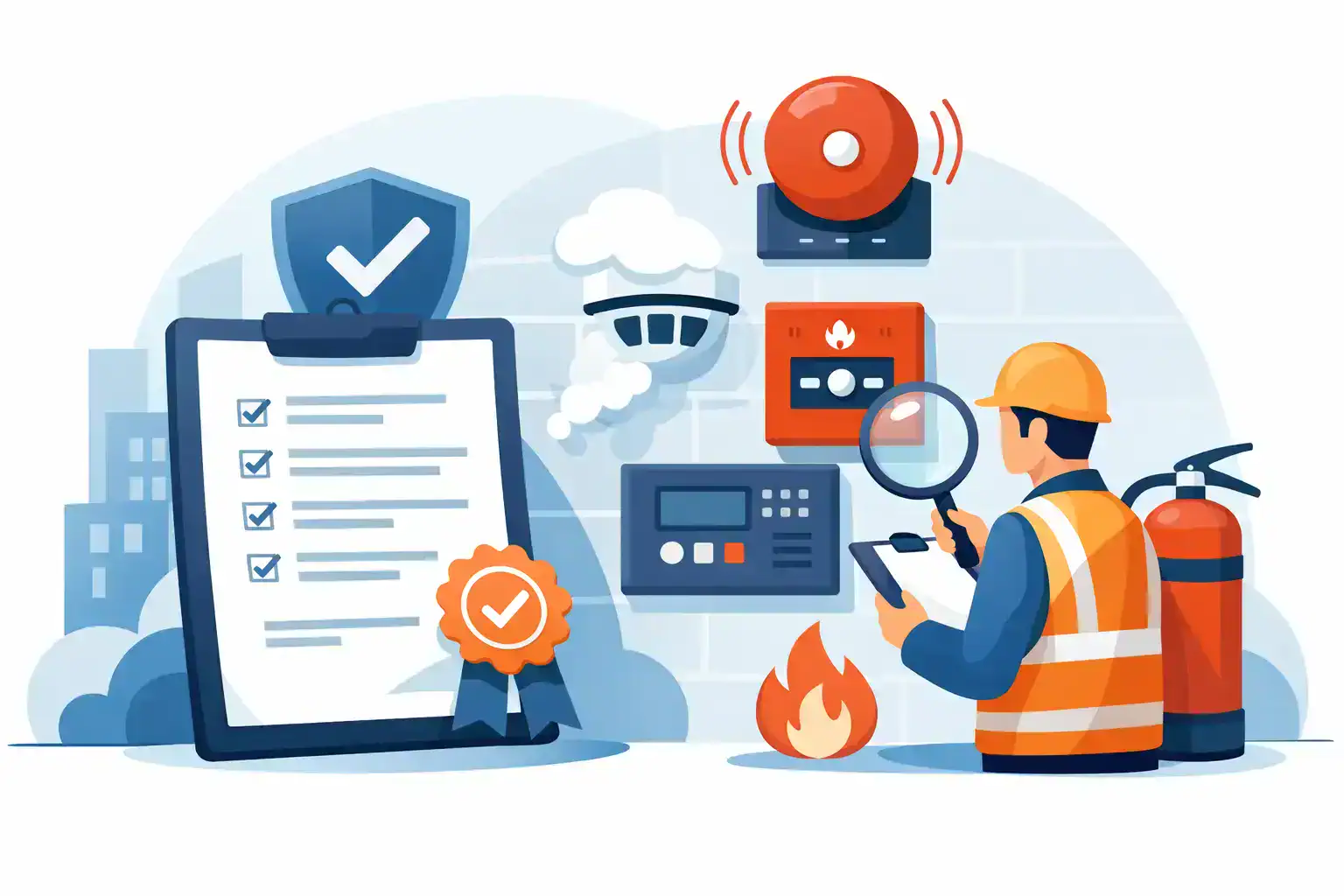
All designs are according to NFPA

© 2020 All Rights Reserved

Engineering & Safety Consulting Company Saudi Arabia
Saif – Engineering & Safety Consulting

Integrated Engineering & Safety Consulting Services

We are a specialized engineering consulting firm delivering comprehensive architectural, structural, mechanical, electrical, fire protection, industrial, oil & gas, and environmental engineering services. All designs, studies, and reports are prepared in full compliance with SBC, NFPA, FIDIC, API, ISO, and Saudi Civil Defense & MODON requirements.

🔧 1. General Engineering Consulting

  • FIDIC Contract Administration & Claims Management
  • Engineering Feasibility Studies & Technical Due Diligence
  • Project Management & Technical Supervision
  • Engineering Risk Analysis for Mega & Industrial Projects

🏗️ 2. Civil & Structural Engineering Consulting

  • Structural design of reinforced concrete & steel buildings
  • High-rise towers, bridges, tunnels, and road structures
  • Geotechnical & soil investigation studies
  • Seismic, wind & load analysis (ETABS / SAFE)
  • Structural assessment & retrofit of existing buildings

📐 3. Architectural Design & Urban Planning

  • Residential, commercial & mixed-use architectural design
  • Façade engineering & sustainable green architecture
  • Urban planning & master planning services
  • BIM modeling & coordination (Revit Architecture)

⚙️ 4. Mechanical Engineering Consulting

  • HVAC systems design & energy optimization
  • Water supply, drainage & plumbing systems
  • Pumping stations, compressors & industrial cooling
  • Fuel systems: Diesel, LPG & Natural Gas
  • Industrial mechanical & process systems

⚡ 5. Electrical Engineering Consulting

  • Low & Medium Voltage (LV/MV) power systems
  • Load calculations, voltage drop & short-circuit studies
  • Solar PV & renewable energy systems
  • Low current & ELV systems design
  • BMS, SCADA, CCTV & Access Control Systems

🔥 6. Fire Protection & Life Safety Engineering

This is our core specialty. All fire protection designs, reports, and approvals are delivered in strict compliance with SBC, NFPA, Saudi Civil Defense, and MODON regulations.

🔴 Firefighting Systems Design

  • Wet, Dry, Pre-Action & Deluge Sprinkler Systems
  • Foam systems, foam monitors & foam standpipes
  • Water Mist systems (NFPA / UL / FM)
  • Fire pump room & hydraulic calculations
  • ESFR, CMSA, CMDA & In-Rack Sprinklers

🔔 Fire Alarm & Detection Systems

  • Addressable, Conventional & Voice Evacuation
  • VESDA, Linear Heat & Video Smoke Detection
  • Smart & IoT-enabled fire detection systems

📄 Fire Safety Studies & Reports

  • Fire Strategy Reports
  • Fire Risk Assessments
  • CFD Smoke & Evacuation Analysis
  • SBC, NFPA & MODON compliance reports
  • Emergency & Evacuation Plans

🏭 7. Industrial Engineering Consulting

  • Factory layout & material flow optimization
  • Production line improvement & lean manufacturing
  • OEE, time & motion studies
  • Industrial piping & process engineering

🛢️ 8. Oil & Gas Engineering Consulting

  • API 650 & API 620 storage tank design
  • LPG, LNG & Natural Gas piping systems
  • Explosion risk & ATEX hazard studies

🌿 9. Environmental Engineering Consulting

  • Environmental Impact Assessments (EIA)
  • Air quality & emission monitoring
  • Waste & hazardous waste management
  • STP, WWTP & grey water systems

📞 Contact Us for Engineering Proposals

WhatsApp / Call: 0557984942

WhatsApp / Call: 0545587404

Email: project.manager@telal-elwatan.com

لقسم الاستشارات الهندسية والتقارير والشهادات ومتطلبات الدفاع المدنى والبلدية و هيئة مدن  يرجى الاتصال على 0557984942

للتوريدات والطلبات الاخرى يرجى ارسال طلبك واتس اب لخدمتكم

بشكل اسرع على احد الارقام التالية 0531433890 

X