EMI/RFI Shielding Systems

كل تصميماتنا مطابقة للكود السعودى والدولى

معتمدين من بلدى

معتمدين من امانة الرياض

معتمدين من هيئة مدن

معتمدين من الدفاع المدنى

Learn about the importance of contracting with an accredited engineering consultancy, the conditions and requirements involved, and how to choose the best engineering offices to manage and design your projects effectively and efficiently.
Contact us now or reach us on WhatsApp at the following number:
0557984942

© 2012 All Rights Reserved

EMI/RFI Shielding Systems


EMI/RFI Shielding Systems: A Short Overview Introduction Electromagnetic interference (EMI) and radio-frequency interference (RFI) occur when unwanted electromagnetic energy affects the performance of electronic devices. EMI/RFI shielding systems are designed to block or attenuate these unwanted signals, protecting sensitive circuits and helping meet regulatory requirements. Shielding is essential in everything from consumer gadgets to medical devices, automotive systems, and aerospace equipment. Key shielding concepts - Shielding effectiveness (SE): The amount of attenuation provided by a shield, usually expressed in decibels (dB). Higher SE means better protection. SE depends on frequency, shield material, enclosure design, and how well seams and penetrations are sealed. - Faraday cage principle: A continuous conductive enclosure blocks external electric fields by redistributing charges on its surface, creating a region inside where the field is greatly reduced. - Reflections vs. absorption: Shielding works through reflection of incident waves at the shield surface and absorption within the shield material. The balance depends on material conductivity, permeability, thickness, and skin depth at the target frequency. - Seams, openings, and penetrations: Gaps are the most common sources of leakage. Even tiny seams, screw holes, and cable feedthroughs can weaken shielding if not properly addressed. Materials and construction - Enclosures: Conductive metals such as copper, aluminum, or steel are common choices. Aluminum is lightweight and cost-effective; copper offers excellent conductivity; steel provides strength and durability. - Conductive coatings and films: In some designs, polymer substrates with conductive coatings or metallized films are used to retrofit or add shielding without a heavy metal enclosure. - Shielding fabrics and gaskets: Flexible fabrics with conductive fibers or coatings support shielding around irregular shapes or doors. Gaskets around doors and seams provide a conductive seal, preserving SE across the joint. - Cables and feedthroughs: Shielded cables, filtered connectors, and feedthrough filters are crucial to prevent leakage along penetrations. Proper bonding to the enclosure is essential. - Ventilation: Electronics often require cooling. RF-safe vents (porous or waveguide-below-cutoff structures, ferrite/mesh filters) allow air flow while preserving shielding performance. Design considerations - Frequency range and SE targets: Identify the operating frequency bands and regulatory limits (e.g., consumer product standards, medical device requirements, or automotive EMC specs). Design the shield to meet those SE targets across the critical range. - Mechanical and thermal constraints: Shielding adds weight and can impede heat dissipation. Engineers balance material choice, thickness, and venting to maintain performance and thermal safety. - Seams and joints: Use continuous conductive paths at joints, with properly bonded components, grounding, and compliant gasket design. Avoid large slots or misaligned seams. - Bonding and grounding: A low-impedance path to the enclosure ground is essential. Poor bonding can negate the shield’s effectiveness. - Environmental durability: Consider corrosion resistance, vibration, humidity, and temperature cycling. Choose materials and seals appropriate for the intended environment. Testing and standards - Shielding effectiveness testing: SE is measured in a controlled environment (often a shielded enclosure or test chamber) by comparing the field inside with and without the shield across the target frequency range. - Common standards and references: ASTM D4935 is a widely used method for measuring shielding effectiveness of enclosures. In addition, engineers consider EMC/EMI standards such as CISPR/CENELEC and FCC/IEC 61000-series requirements for overall product compliance. - System-level testing: Beyond enclosure SE, engineers test complete assemblies for hosted emissions or immunity, including cable assemblies, connectors, and enclosure seams, to ensure comprehensive compliance. Applications and trends - Consumer electronics: Small devices, wearables, and home electronics rely on compact shielding enclosures and careful cabling practices to meet regulatory limits while keeping form factor appealing. - Medical devices: EMI shielding protects sensitive sensors and patient safety-critical electronics. Biocompatible and corrosion-resistant materials are often prioritized. - Automotive and aerospace: Harsh environments demand robust shielding, often combining metal enclosures with advanced gaskets and filtered penetrations to cope with high field strengths and reliability requirements. - Emerging approaches: Conductive polymer composites, printable shielding materials, and fabric-based enclosures offer flexible, lightweight options. Additive manufacturing (3D printing) enables complex shielding geometries tailored to specific devices. Conductive coatings and intelligent venting continue to balance cooling needs with RF containment. A simple design example Imagine a small enclosed device that must meet EMI requirements up to several GHz. Use an aluminum alloy chassis as the main enclosure, with precision-bonded end caps. Install conductive gaskets around the lid and any doors. Route all cables through shielded feedthroughs with proper filtering, and terminate grounds at a single star point. If the device requires venting, employ a RF-filtered vent or a small waveguide-below-cutoff structure to allow airflow without compromising shielding. Perform SE measurements across the target spectrum and adjust gasket compression or add additional shielding at the weakest seam to achieve the required attenuation. Conclusion EMI/RFI shielding systems are a fundamental aspect of modern electronics design, ensuring device reliability, performance, and regulatory compliance. By selecting appropriate materials, designing robust seams and penetrations, and validating through standardized testing, engineers can create compact, effective shielding solutions that protect sensitive electronics in a wide range of applications. If you have a specific device, frequency range, or environment in mind, I can tailor a more focused overview or provide design guidance.


EMI/RFI Shielding Systems

We are a consulting and contracting company in the same group, For pricing or design download our app, For any purchasing please contact us ASAP 


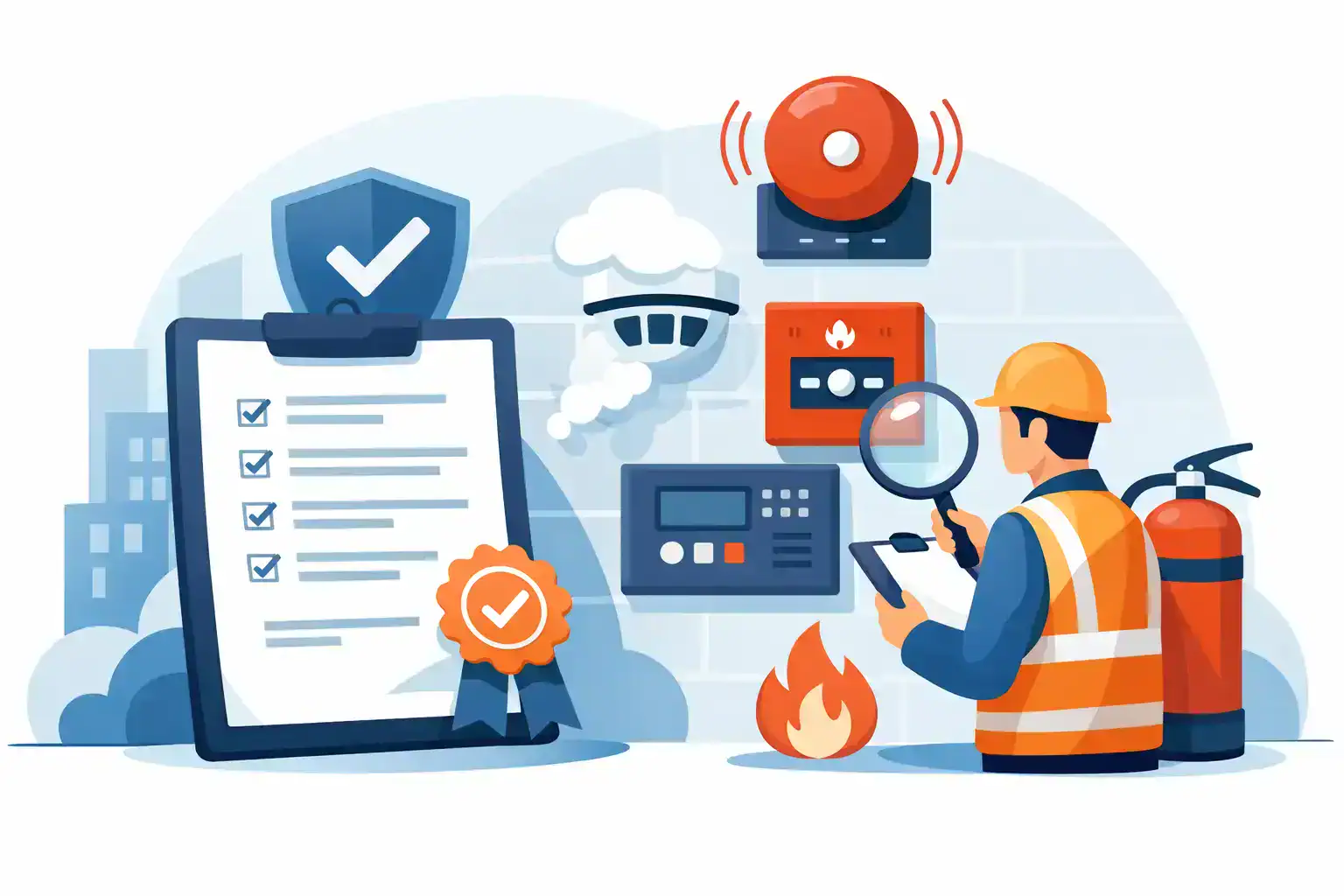
All designs are according to NFPA

© 2020 All Rights Reserved

Engineering & Safety Consulting Company Saudi Arabia
Saif – Engineering & Safety Consulting

Integrated Engineering & Safety Consulting Services

We are a specialized engineering consulting firm delivering comprehensive architectural, structural, mechanical, electrical, fire protection, industrial, oil & gas, and environmental engineering services. All designs, studies, and reports are prepared in full compliance with SBC, NFPA, FIDIC, API, ISO, and Saudi Civil Defense & MODON requirements.

🔧 1. General Engineering Consulting

  • FIDIC Contract Administration & Claims Management
  • Engineering Feasibility Studies & Technical Due Diligence
  • Project Management & Technical Supervision
  • Engineering Risk Analysis for Mega & Industrial Projects

🏗️ 2. Civil & Structural Engineering Consulting

  • Structural design of reinforced concrete & steel buildings
  • High-rise towers, bridges, tunnels, and road structures
  • Geotechnical & soil investigation studies
  • Seismic, wind & load analysis (ETABS / SAFE)
  • Structural assessment & retrofit of existing buildings

📐 3. Architectural Design & Urban Planning

  • Residential, commercial & mixed-use architectural design
  • Façade engineering & sustainable green architecture
  • Urban planning & master planning services
  • BIM modeling & coordination (Revit Architecture)

⚙️ 4. Mechanical Engineering Consulting

  • HVAC systems design & energy optimization
  • Water supply, drainage & plumbing systems
  • Pumping stations, compressors & industrial cooling
  • Fuel systems: Diesel, LPG & Natural Gas
  • Industrial mechanical & process systems

⚡ 5. Electrical Engineering Consulting

  • Low & Medium Voltage (LV/MV) power systems
  • Load calculations, voltage drop & short-circuit studies
  • Solar PV & renewable energy systems
  • Low current & ELV systems design
  • BMS, SCADA, CCTV & Access Control Systems

🔥 6. Fire Protection & Life Safety Engineering

This is our core specialty. All fire protection designs, reports, and approvals are delivered in strict compliance with SBC, NFPA, Saudi Civil Defense, and MODON regulations.

🔴 Firefighting Systems Design

  • Wet, Dry, Pre-Action & Deluge Sprinkler Systems
  • Foam systems, foam monitors & foam standpipes
  • Water Mist systems (NFPA / UL / FM)
  • Fire pump room & hydraulic calculations
  • ESFR, CMSA, CMDA & In-Rack Sprinklers

🔔 Fire Alarm & Detection Systems

  • Addressable, Conventional & Voice Evacuation
  • VESDA, Linear Heat & Video Smoke Detection
  • Smart & IoT-enabled fire detection systems

📄 Fire Safety Studies & Reports

  • Fire Strategy Reports
  • Fire Risk Assessments
  • CFD Smoke & Evacuation Analysis
  • SBC, NFPA & MODON compliance reports
  • Emergency & Evacuation Plans

🏭 7. Industrial Engineering Consulting

  • Factory layout & material flow optimization
  • Production line improvement & lean manufacturing
  • OEE, time & motion studies
  • Industrial piping & process engineering

🛢️ 8. Oil & Gas Engineering Consulting

  • API 650 & API 620 storage tank design
  • LPG, LNG & Natural Gas piping systems
  • Explosion risk & ATEX hazard studies

🌿 9. Environmental Engineering Consulting

  • Environmental Impact Assessments (EIA)
  • Air quality & emission monitoring
  • Waste & hazardous waste management
  • STP, WWTP & grey water systems

📞 Contact Us for Engineering Proposals

WhatsApp / Call: 0557984942

WhatsApp / Call: 0545587404

Email: project.manager@telal-elwatan.com
لقسم الاستشارات الهندسية والتقارير والشهادات ومتطلبات الدفاع المدنى والبلدية و هيئة مدن  يرجى الاتصال على 0557984942

للتوريدات والطلبات الاخرى يرجى ارسال طلبك واتس اب لخدمتكم

بشكل اسرع على احد الارقام التالية 0531433890 

X