EV Chargers

كل تصميماتنا مطابقة للكود السعودى والدولى

معتمدين من بلدى

معتمدين من امانة الرياض

معتمدين من هيئة مدن

معتمدين من الدفاع المدنى

Learn about the importance of contracting with an accredited engineering consultancy, the conditions and requirements involved, and how to choose the best engineering offices to manage and design your projects effectively and efficiently.
Contact us now or reach us on WhatsApp at the following number:
0557984942

© 2012 All Rights Reserved

EV Chargers


EV Chargers: A Quick Guide to Getting Power for Your Electric Vehicle As more people switch to electric cars, understanding chargers becomes part of everyday driving. An EV charger is more than a plug; it’s a system that delivers the right kind of electricity to your vehicle, at the right speed, wherever you park. Here’s a concise look at what you need to know. How charging works Electric vehicles store energy in large batteries. A charger supplies the electricity, and the vehicle’s onboard charger converts it into usable form and manages how fast the battery accepts power. The speed depends on the charger type, the car’s battery, and the electrical setup at the location. In short: the charger and the car work together to refill the battery safely and efficiently. Types of chargers Level 1 (120-volt) charging - What it is: Uses a standard household outlet. - Speed: Usually adds about 2-5 miles of range per hour of charging. - Pros: Simple, low setup, no special equipment required. - Cons: Very slow for most daily driving needs. Level 2 (240-volt) charging - What it is: Requires a dedicated 240-volt circuit and a wall charger or portable charger. - Speed: Typically 10-60 miles per hour, depending on the vehicle and the charger’s amperage. - Pros: Common for homes and public stations; fast enough for overnight charging or longer stops. - Cons: Requires electrical work and proper safety installation. DC fast charging - What it is: A high-powered charger that delivers direct current (DC) to the car’s battery, bypassing the onboard charger for speed. - Speed: Can replenish a battery to 80% in about 20-30 minutes on many vehicles, with powerful stations offering even faster charging. - Pros: Ideal for highway trips and quick top-ups. - Cons: More expensive to install and operate; not all cars support the same charging standards; availability varies by location. Connector types and standards (quick overview) - Level 1 and Level 2 generally use the J1772 connector in North America for most non-Tesla vehicles. - DC fast charging commonly uses CCS (Combo Connector) for many American and European cars, CHAdeMO for some models, and Tesla’s Supercharger network (which can provide CCS or, in some markets, proprietary access for Tesla owners). - If you’re buying a charger or planning charging on the road, check which connectors your car supports and what networks are available in your area. What to consider when choosing charging - Daily needs: If you return home with most of your daily mileage, Level 2 at home is often enough. - Driving patterns: Long commutes or frequent road trips may benefit from access to DC fast charging along routes. - Home electrical capacity: A larger Level 2 setup may require an electrical panel upgrade. A licensed electrician can size the circuit and ensure safety. - Location options: Public charging availability, station speed, and network access can influence your charging strategy. - Smart features: Many chargers offer monitoring, scheduling, energy management with solar or a home battery, or remote control via apps. Costs and time - Electricity vs fuel: Charging costs are usually lower than gasoline per mile, but it depends on local electricity prices and charging speeds. - Public charging: Rates vary widely by network and location. Some stations are free, others charge per kWh or per minute, sometimes with idle fees. - Time considerations: If you mostly charge at home, time is flexible; if you rely on public fast charging, you’ll spend more time stopping to recharge during trips. Practical tips - Plan for a dedicated circuit if you install Level 2 at home. - Check your vehicle’s charging capability to match the charger you buy or use. - Consider a portable Level 1/2 charger for flexibility, but know its slower pace. - Look into smart charging features that align with off-peak electricity rates or solar generation. - For road trips, map out DC fast charging options along your route and know which networks they use. The charging landscape is evolving, with more homes, workplaces, and highways equipped to recharge EVs quickly and safely. Whether you’re charging overnight at home or stopping for a fast top-up on a long trip, the right charger helps keep your electric vehicle ready for the road. If you’d like, tell me your driving habits, vehicle model, and location, and I can tailor a simple charging plan or suggest specific charger options.


EV Chargers

We are a consulting and contracting company in the same group, For pricing or design download our app, For any purchasing please contact us ASAP 


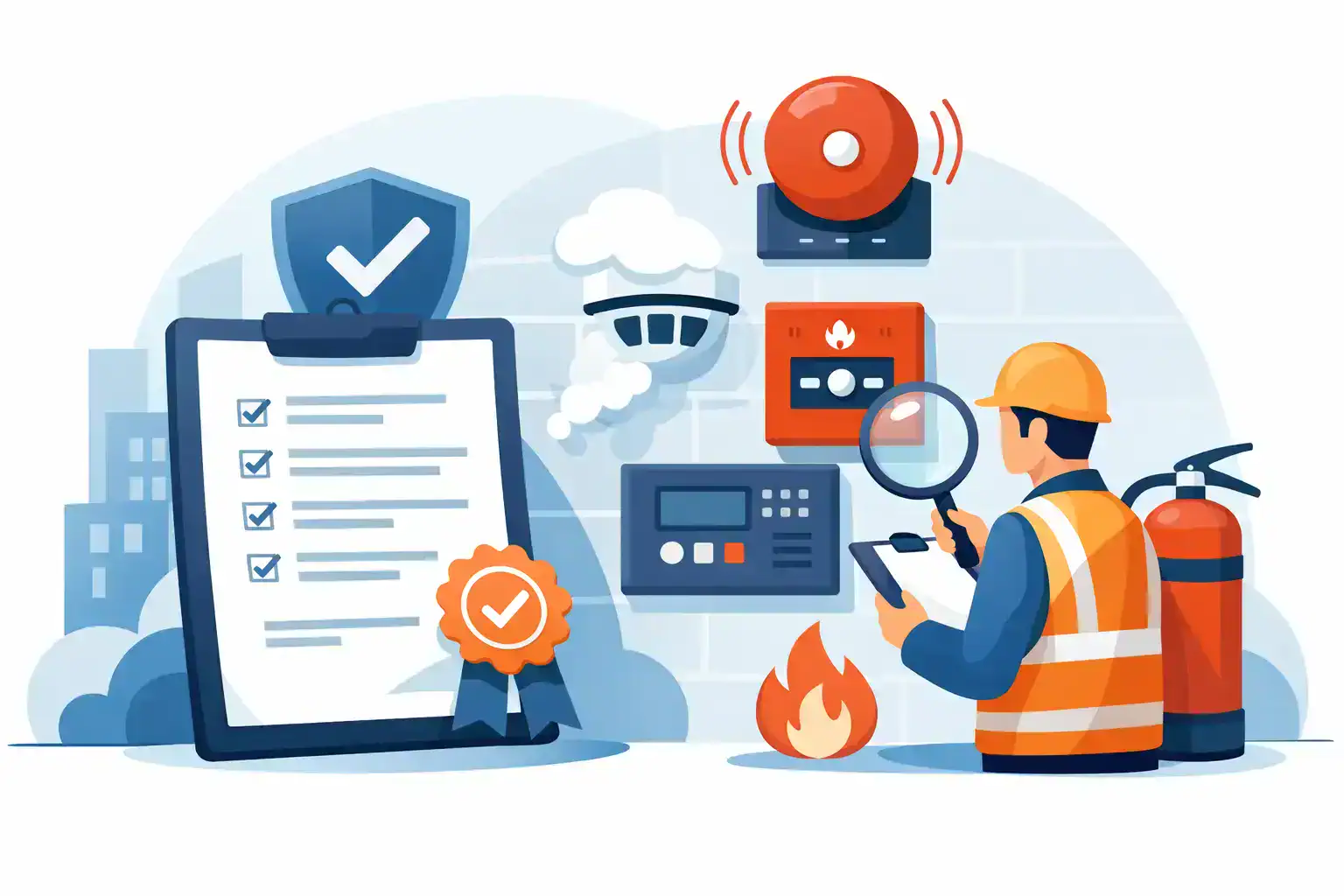
All designs are according to NFPA

© 2020 All Rights Reserved

Engineering & Safety Consulting Company Saudi Arabia
Saif – Engineering & Safety Consulting

Integrated Engineering & Safety Consulting Services

We are a specialized engineering consulting firm delivering comprehensive architectural, structural, mechanical, electrical, fire protection, industrial, oil & gas, and environmental engineering services. All designs, studies, and reports are prepared in full compliance with SBC, NFPA, FIDIC, API, ISO, and Saudi Civil Defense & MODON requirements.

🔧 1. General Engineering Consulting

  • FIDIC Contract Administration & Claims Management
  • Engineering Feasibility Studies & Technical Due Diligence
  • Project Management & Technical Supervision
  • Engineering Risk Analysis for Mega & Industrial Projects

🏗️ 2. Civil & Structural Engineering Consulting

  • Structural design of reinforced concrete & steel buildings
  • High-rise towers, bridges, tunnels, and road structures
  • Geotechnical & soil investigation studies
  • Seismic, wind & load analysis (ETABS / SAFE)
  • Structural assessment & retrofit of existing buildings

📐 3. Architectural Design & Urban Planning

  • Residential, commercial & mixed-use architectural design
  • Façade engineering & sustainable green architecture
  • Urban planning & master planning services
  • BIM modeling & coordination (Revit Architecture)

⚙️ 4. Mechanical Engineering Consulting

  • HVAC systems design & energy optimization
  • Water supply, drainage & plumbing systems
  • Pumping stations, compressors & industrial cooling
  • Fuel systems: Diesel, LPG & Natural Gas
  • Industrial mechanical & process systems

⚡ 5. Electrical Engineering Consulting

  • Low & Medium Voltage (LV/MV) power systems
  • Load calculations, voltage drop & short-circuit studies
  • Solar PV & renewable energy systems
  • Low current & ELV systems design
  • BMS, SCADA, CCTV & Access Control Systems

🔥 6. Fire Protection & Life Safety Engineering

This is our core specialty. All fire protection designs, reports, and approvals are delivered in strict compliance with SBC, NFPA, Saudi Civil Defense, and MODON regulations.

🔴 Firefighting Systems Design

  • Wet, Dry, Pre-Action & Deluge Sprinkler Systems
  • Foam systems, foam monitors & foam standpipes
  • Water Mist systems (NFPA / UL / FM)
  • Fire pump room & hydraulic calculations
  • ESFR, CMSA, CMDA & In-Rack Sprinklers

🔔 Fire Alarm & Detection Systems

  • Addressable, Conventional & Voice Evacuation
  • VESDA, Linear Heat & Video Smoke Detection
  • Smart & IoT-enabled fire detection systems

📄 Fire Safety Studies & Reports

  • Fire Strategy Reports
  • Fire Risk Assessments
  • CFD Smoke & Evacuation Analysis
  • SBC, NFPA & MODON compliance reports
  • Emergency & Evacuation Plans

🏭 7. Industrial Engineering Consulting

  • Factory layout & material flow optimization
  • Production line improvement & lean manufacturing
  • OEE, time & motion studies
  • Industrial piping & process engineering

🛢️ 8. Oil & Gas Engineering Consulting

  • API 650 & API 620 storage tank design
  • LPG, LNG & Natural Gas piping systems
  • Explosion risk & ATEX hazard studies

🌿 9. Environmental Engineering Consulting

  • Environmental Impact Assessments (EIA)
  • Air quality & emission monitoring
  • Waste & hazardous waste management
  • STP, WWTP & grey water systems

📞 Contact Us for Engineering Proposals

WhatsApp / Call: 0557984942

WhatsApp / Call: 0545587404

Email: project.manager@telal-elwatan.com
لقسم الاستشارات الهندسية والتقارير والشهادات ومتطلبات الدفاع المدنى والبلدية و هيئة مدن  يرجى الاتصال على 0557984942

للتوريدات والطلبات الاخرى يرجى ارسال طلبك واتس اب لخدمتكم

بشكل اسرع على احد الارقام التالية 0531433890 

X