Fire Pump Control Panels

كل تصميماتنا مطابقة للكود السعودى والدولى

معتمدين من بلدى

معتمدين من امانة الرياض

معتمدين من هيئة مدن

معتمدين من الدفاع المدنى

Learn about the importance of contracting with an accredited engineering consultancy, the conditions and requirements involved, and how to choose the best engineering offices to manage and design your projects effectively and efficiently.
Contact us now or reach us on WhatsApp at the following number:
0557984942

© 2012 All Rights Reserved

Fire Pump Control Panels


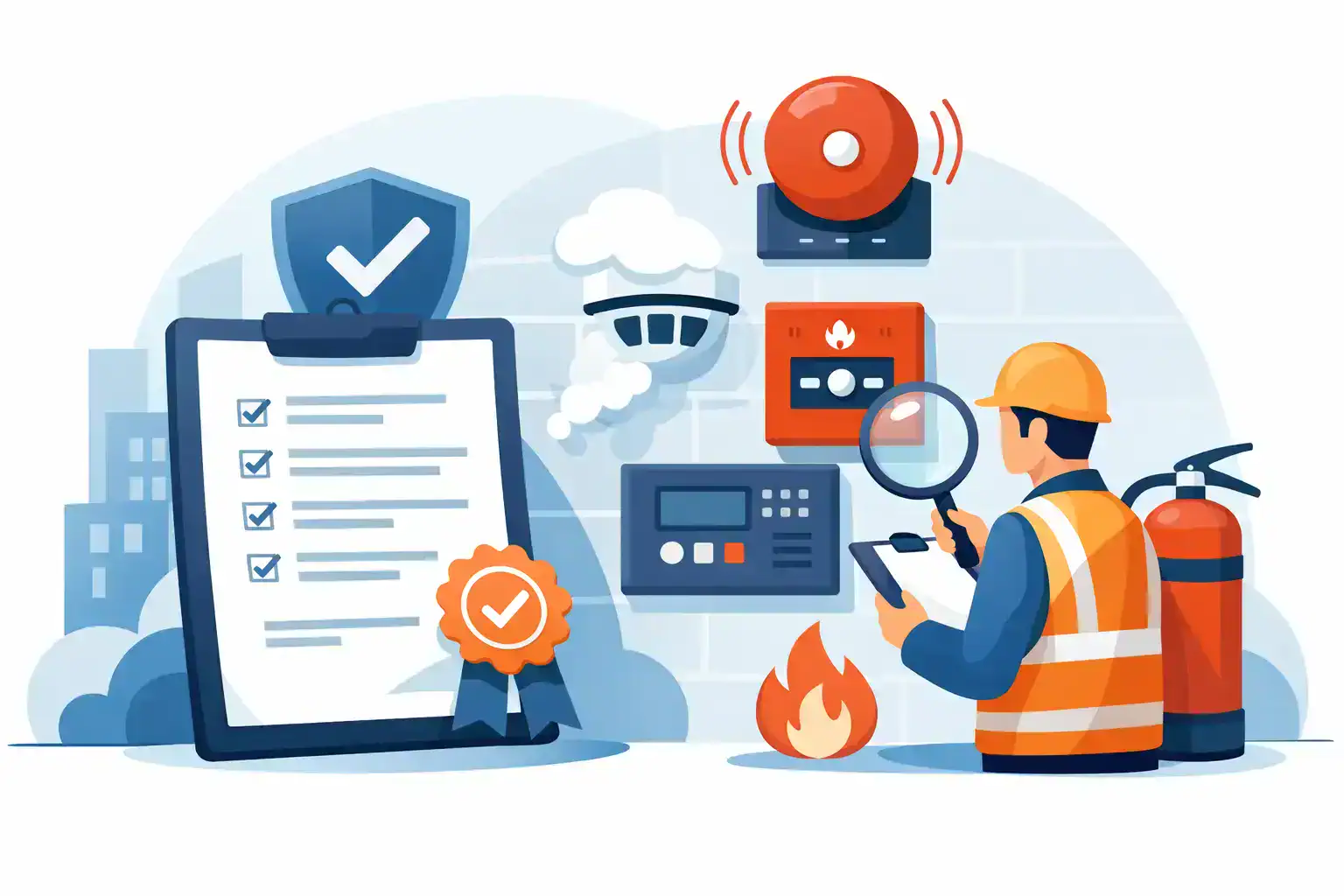
Fire Pump Control Panels: A Short Guide What they are and why they matter A fire pump control panel is the brain of a building’s fire protection system. It manages the operation of stationary fire pumps—electric motor-driven and/or diesel engine-driven—to ensure a reliable water supply at the correct pressure when every second counts. In many facilities, especially high-rise buildings, hospitals, data centers, and industrial plants, these panels coordinate automatic and manual pump start/stop, monitor pump status, and provide alarm signals to building management and safety personnel. Their purpose is simple in words—keep water flowing at the right pressure during a fire—but the reliability of the panel’s electronics and controls is essential to life safety. What’s inside a typical panel A fire pump control panel bundles several core functions in one enclosure: - Power control and starting devices: motor starters, contactors, overload protection, and sometimes soft starters or VFDs for electric pumps. - Driver integration: connections to the electric motor or to the diesel engine with appropriate starter and engine control systems. - Sensing and signaling: pressure transducers, pressure switches, flow switches, fuel level indicators (for diesel), battery charge indicators, and alarm relays. - Automatic and manual control: automatic start circuits triggered by system pressure drop or other sensors, plus manual start/stop and local indicators for pump status. - Alarm and supervision: local alarm horn/strobe, annunciators, remote signaling to building management systems, and fault/warning logs. - Testing and maintenance features: test switches, run-time meters, and provisions to isolate or simulate faults for maintenance without compromising safety. How it works in practice - Normal operation: The building’s water supply is pressurized by a small “jockey” or pressure-maintenance pump, while the main fire pump remains on standby. - Fire event or pressure drop: If the system detects a drop in discharge or pressure below the setpoint, the fire pump control panel automatically starts the appropriate pump (electric or diesel) to boost pressure and water flow to the piping system. - Coordination and safety: If the plant loses power, the diesel engine-driven pump can be brought online as backup. The panel coordinates start/stop sequences to prevent water hammer, overpressure, or simultaneous starts that could damage power sources. - Shutdown and conditions after fire: Once pressure returns to normal and the system is secure, the panel stops the pump and logs the event for maintenance and inspection. Standards, compliance, and best practices - NFPA 20: Standard for the Installation of Stationary Fire Pumps. This is the primary benchmark for how fire pumps and their control panels should be sized, installed, and integrated into a fire protection system. - Listings and approvals: Components within the panel (relays, contactors, motor starters, control circuits) are typically UL-listed or certified to applicable standards, and the complete assembly may be UL-listed or categorized by national or regional codes. - Testing and maintenance: Regular testing is required by NFPA 20 and NFPA 25 (Inspection, Testing, and Maintenance of Water-Based Fire Protection Systems). This includes periodic automatic tests, manual tests, and routine inspections of controls, sensors, and back-up power sources. - Local codes: Always align with local fire codes, authority having jurisdiction (AHJ) requirements, and facility-specific risk assessments. Tips for selecting and maintaining a panel - Correct sizing and coordination: Ensure the panel and pump(s) are sized for the building’s required fire-flow and pressure, and that power sources (utility and back-up) are properly coordinated. - Environment and enclosure: Choose an enclosure suitable for its location (NEMA/IEC ratings for moisture, dust, temperature, and vandal resistance as needed). - Reliability features: Look for redundancy in sensors, alarms, and power supplies; consider a panel with clear, remote annunciation and battery status monitoring for predictive maintenance. - Simple testing routines: Favor panels with built-in test modes for periodic checks, plus clear diagnostic indicators to speed maintenance. - Documentation: Require complete as-built drawings, wiring diagrams, and a maintenance plan from the supplier or installer. Why it matters for safety Fire pump control panels are a critical layer of fire protection, ensuring that when conventional power is interrupted or demand surges, water reaches the fire floor with sufficient pressure. A well-designed, properly maintained panel reduces downtime, minimizes risk to occupants, and supports swift, effective fire response. If you’d like, I can tailor this article to a specific audience (facility managers, engineers, or a general audience), adjust the length, or add diagrams or real-world examples.


Fire Pump Control Panels

We are a consulting and contracting company in the same group, For pricing or design download our app, For any purchasing please contact us ASAP 


All designs are according to NFPA

© 2020 All Rights Reserved

Engineering & Safety Consulting Company Saudi Arabia
Saif – Engineering & Safety Consulting

Integrated Engineering & Safety Consulting Services

We are a specialized engineering consulting firm delivering comprehensive architectural, structural, mechanical, electrical, fire protection, industrial, oil & gas, and environmental engineering services. All designs, studies, and reports are prepared in full compliance with SBC, NFPA, FIDIC, API, ISO, and Saudi Civil Defense & MODON requirements.

🔧 1. General Engineering Consulting

  • FIDIC Contract Administration & Claims Management
  • Engineering Feasibility Studies & Technical Due Diligence
  • Project Management & Technical Supervision
  • Engineering Risk Analysis for Mega & Industrial Projects

🏗️ 2. Civil & Structural Engineering Consulting

  • Structural design of reinforced concrete & steel buildings
  • High-rise towers, bridges, tunnels, and road structures
  • Geotechnical & soil investigation studies
  • Seismic, wind & load analysis (ETABS / SAFE)
  • Structural assessment & retrofit of existing buildings

📐 3. Architectural Design & Urban Planning

  • Residential, commercial & mixed-use architectural design
  • Façade engineering & sustainable green architecture
  • Urban planning & master planning services
  • BIM modeling & coordination (Revit Architecture)

⚙️ 4. Mechanical Engineering Consulting

  • HVAC systems design & energy optimization
  • Water supply, drainage & plumbing systems
  • Pumping stations, compressors & industrial cooling
  • Fuel systems: Diesel, LPG & Natural Gas
  • Industrial mechanical & process systems

⚡ 5. Electrical Engineering Consulting

  • Low & Medium Voltage (LV/MV) power systems
  • Load calculations, voltage drop & short-circuit studies
  • Solar PV & renewable energy systems
  • Low current & ELV systems design
  • BMS, SCADA, CCTV & Access Control Systems

🔥 6. Fire Protection & Life Safety Engineering

This is our core specialty. All fire protection designs, reports, and approvals are delivered in strict compliance with SBC, NFPA, Saudi Civil Defense, and MODON regulations.

🔴 Firefighting Systems Design

  • Wet, Dry, Pre-Action & Deluge Sprinkler Systems
  • Foam systems, foam monitors & foam standpipes
  • Water Mist systems (NFPA / UL / FM)
  • Fire pump room & hydraulic calculations
  • ESFR, CMSA, CMDA & In-Rack Sprinklers

🔔 Fire Alarm & Detection Systems

  • Addressable, Conventional & Voice Evacuation
  • VESDA, Linear Heat & Video Smoke Detection
  • Smart & IoT-enabled fire detection systems

📄 Fire Safety Studies & Reports

  • Fire Strategy Reports
  • Fire Risk Assessments
  • CFD Smoke & Evacuation Analysis
  • SBC, NFPA & MODON compliance reports
  • Emergency & Evacuation Plans

🏭 7. Industrial Engineering Consulting

  • Factory layout & material flow optimization
  • Production line improvement & lean manufacturing
  • OEE, time & motion studies
  • Industrial piping & process engineering

🛢️ 8. Oil & Gas Engineering Consulting

  • API 650 & API 620 storage tank design
  • LPG, LNG & Natural Gas piping systems
  • Explosion risk & ATEX hazard studies

🌿 9. Environmental Engineering Consulting

  • Environmental Impact Assessments (EIA)
  • Air quality & emission monitoring
  • Waste & hazardous waste management
  • STP, WWTP & grey water systems

📞 Contact Us for Engineering Proposals

WhatsApp / Call: 0557984942

WhatsApp / Call: 0545587404

Email: project.manager@telal-elwatan.com
لقسم الاستشارات الهندسية والتقارير والشهادات ومتطلبات الدفاع المدنى والبلدية و هيئة مدن  يرجى الاتصال على 0557984942

للتوريدات والطلبات الاخرى يرجى ارسال طلبك واتس اب لخدمتكم

بشكل اسرع على احد الارقام التالية 0531433890 

X