Intrinsically Safe Systems

كل تصميماتنا مطابقة للكود السعودى والدولى

معتمدين من بلدى

معتمدين من امانة الرياض

معتمدين من هيئة مدن

معتمدين من الدفاع المدنى

Learn about the importance of contracting with an accredited engineering consultancy, the conditions and requirements involved, and how to choose the best engineering offices to manage and design your projects effectively and efficiently.
Contact us now or reach us on WhatsApp at the following number:
0557984942

© 2012 All Rights Reserved

Intrinsically Safe Systems


Intrinsically Safe Systems: A Small Overview What they are Intrinsically safe (IS) systems are electrical and electronic setups designed to operate in hazardous environments without releasing enough electrical or thermal energy to ignite a flammable gas, vapor, or dust. The core idea is energy limitation: even in fault or faulted conditions, the system cannot produce an ignition source. How they work - Energy limitation: Circuits are designed to keep voltage, current, and power below levels that could ignite an explosive mixture. - Safe interfaces: Field devices (sensors, switches, actuators) and control equipment are connected through IS-certified components and barriers that prevent excess energy from reaching the hazardous area. - Barriers and protective elements: Intrinsic safety barriers (either active or passive) and fuses/resistors limit energy and help isolate the hazardous zone from the safe area. - Certified equipment: Both the equipment used in the hazardous area and the wiring/connectors used to link it to the safe area are certified for intrinsic safety. Key concepts and terms - Energy limits: IS systems specify maximum safe voltages and currents for circuits so that any fault cannot produce enough energy to ignite. - Barriers: Devices that restrict energy flowing into the hazardous area. They may be located in safe areas or distributed along the wiring, depending on the design. - Field wiring: Wiring that connects IS-certified devices in the hazardous area with safe-area equipment, designed to maintain the safety limits under expected conditions. - Zones and certifications: IS equipment is designed for use in hazardous-area classifications (for example, zones 0/1/2 or similar schemes) and is often certified to standards such as IEC 60079-11, ATEX, or IECEx. Standards and typical environments - IEC 60079-11 is the primary international standard for intrinsic safety, outlining how to achieve and verify safe energy levels. - ATEX and IECEx certifications are commonly used in Europe and other regions to indicate compliance for equipment in explosive atmospheres. - IS systems are widely used in industries with hazardous atmospheres, such as oil and gas, chemical processing, mining, and pharmaceuticals. Choosing and designing an IS system - Hazard assessment: Determine the presence of flammable materials and classify the zones or areas accordingly. - Decide on IS approach: Use intrinsically safe field devices with IS barriers or opt for equipment that is IS-certified for the specific area and gas group. - Verify interfaces: Ensure all interconnections, power supplies, and signal interfaces between safe and hazardous areas meet intrinsic safety requirements. - Documentation and labeling: Maintain proper labeling, certificates, and maintenance records to demonstrate ongoing compliance. - Maintenance and testing: Periodic inspection of barriers, wiring, and IS-certified devices is essential to maintain safety. Advantages - Strong ignition prevention: By limiting energy, IS systems reduce the risk of ignition even under fault conditions. - Flexible use in hazardous areas: Enables the use of standard control and monitoring functions in zones where ignition sources would otherwise be a concern. - Consistent safety approach: The same core principle—energy limitation—applies across devices, wiring, and interfaces. Limitations - Power and signal constraints: IS circuits must stay within energy limits, which can limit sensor types, actuation methods, and communication options. - Cost and complexity: Certification, barriers, and compliant wiring add cost and require careful engineering and maintenance. - Not universal: Some very high-power processes or extreme environments may require alternative safety strategies beyond intrinsic safety. Typical applications - Oil and gas facilities (drilling, processing, loading terminals) - Chemical plants and chemical processing areas - Mines and underground facilities - Pharmaceutical manufacturing where explosive atmospheres may be present In short, intrinsically safe systems are a disciplined way to enable electrical control and monitoring in hazardous environments by ensuring that energy levels never reach ignition thresholds. They rely on certified equipment, energy-limiting designs, and careful risk assessment to keep facilities safe while enabling necessary automation and control.


Intrinsically Safe Systems

We are a consulting and contracting company in the same group, For pricing or design download our app, For any purchasing please contact us ASAP 


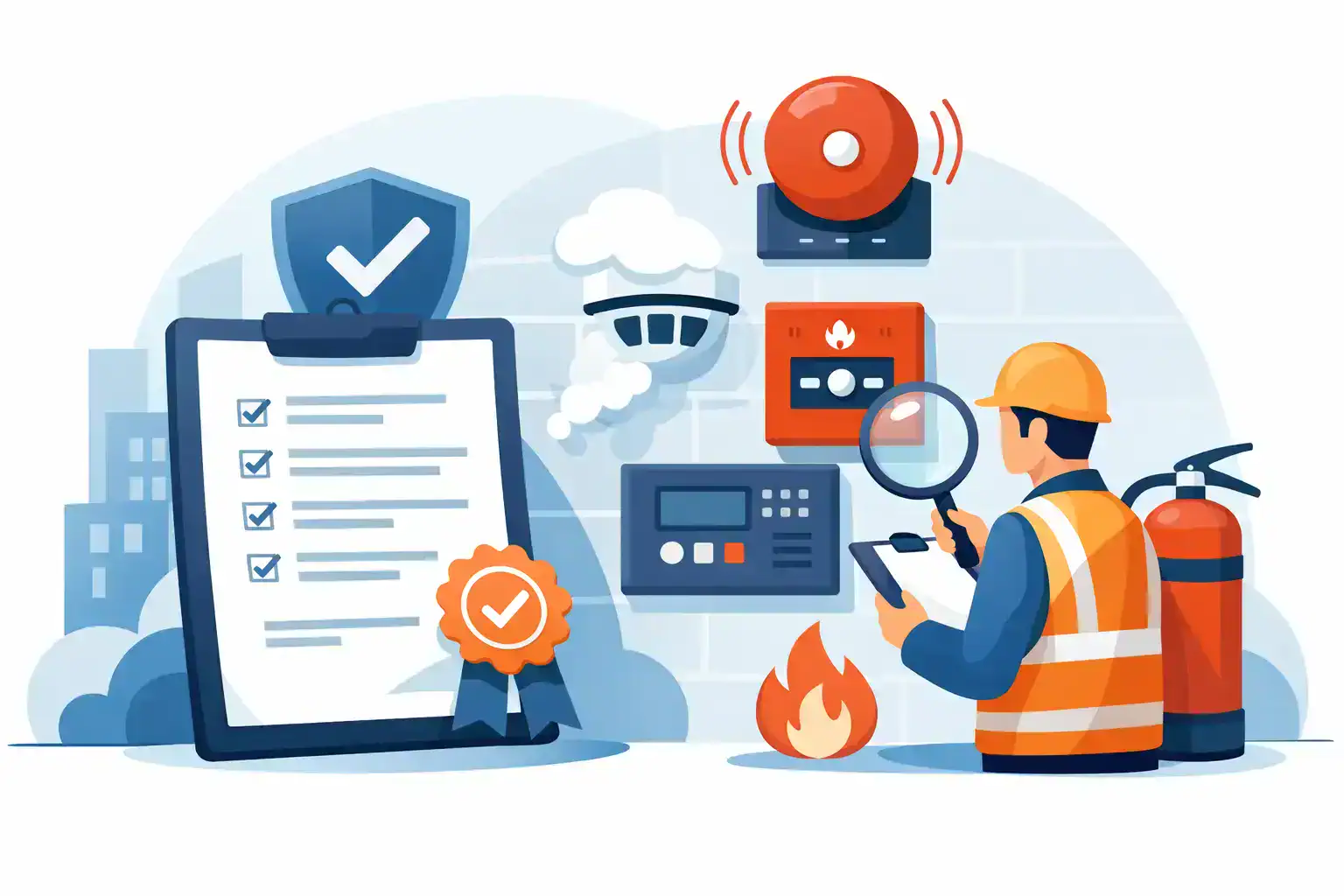
All designs are according to NFPA

© 2020 All Rights Reserved

Engineering & Safety Consulting Company Saudi Arabia
Saif – Engineering & Safety Consulting

Integrated Engineering & Safety Consulting Services

We are a specialized engineering consulting firm delivering comprehensive architectural, structural, mechanical, electrical, fire protection, industrial, oil & gas, and environmental engineering services. All designs, studies, and reports are prepared in full compliance with SBC, NFPA, FIDIC, API, ISO, and Saudi Civil Defense & MODON requirements.

🔧 1. General Engineering Consulting

  • FIDIC Contract Administration & Claims Management
  • Engineering Feasibility Studies & Technical Due Diligence
  • Project Management & Technical Supervision
  • Engineering Risk Analysis for Mega & Industrial Projects

🏗️ 2. Civil & Structural Engineering Consulting

  • Structural design of reinforced concrete & steel buildings
  • High-rise towers, bridges, tunnels, and road structures
  • Geotechnical & soil investigation studies
  • Seismic, wind & load analysis (ETABS / SAFE)
  • Structural assessment & retrofit of existing buildings

📐 3. Architectural Design & Urban Planning

  • Residential, commercial & mixed-use architectural design
  • Façade engineering & sustainable green architecture
  • Urban planning & master planning services
  • BIM modeling & coordination (Revit Architecture)

⚙️ 4. Mechanical Engineering Consulting

  • HVAC systems design & energy optimization
  • Water supply, drainage & plumbing systems
  • Pumping stations, compressors & industrial cooling
  • Fuel systems: Diesel, LPG & Natural Gas
  • Industrial mechanical & process systems

⚡ 5. Electrical Engineering Consulting

  • Low & Medium Voltage (LV/MV) power systems
  • Load calculations, voltage drop & short-circuit studies
  • Solar PV & renewable energy systems
  • Low current & ELV systems design
  • BMS, SCADA, CCTV & Access Control Systems

🔥 6. Fire Protection & Life Safety Engineering

This is our core specialty. All fire protection designs, reports, and approvals are delivered in strict compliance with SBC, NFPA, Saudi Civil Defense, and MODON regulations.

🔴 Firefighting Systems Design

  • Wet, Dry, Pre-Action & Deluge Sprinkler Systems
  • Foam systems, foam monitors & foam standpipes
  • Water Mist systems (NFPA / UL / FM)
  • Fire pump room & hydraulic calculations
  • ESFR, CMSA, CMDA & In-Rack Sprinklers

🔔 Fire Alarm & Detection Systems

  • Addressable, Conventional & Voice Evacuation
  • VESDA, Linear Heat & Video Smoke Detection
  • Smart & IoT-enabled fire detection systems

📄 Fire Safety Studies & Reports

  • Fire Strategy Reports
  • Fire Risk Assessments
  • CFD Smoke & Evacuation Analysis
  • SBC, NFPA & MODON compliance reports
  • Emergency & Evacuation Plans

🏭 7. Industrial Engineering Consulting

  • Factory layout & material flow optimization
  • Production line improvement & lean manufacturing
  • OEE, time & motion studies
  • Industrial piping & process engineering

🛢️ 8. Oil & Gas Engineering Consulting

  • API 650 & API 620 storage tank design
  • LPG, LNG & Natural Gas piping systems
  • Explosion risk & ATEX hazard studies

🌿 9. Environmental Engineering Consulting

  • Environmental Impact Assessments (EIA)
  • Air quality & emission monitoring
  • Waste & hazardous waste management
  • STP, WWTP & grey water systems

📞 Contact Us for Engineering Proposals

WhatsApp / Call: 0557984942

WhatsApp / Call: 0545587404

Email: project.manager@telal-elwatan.com
لقسم الاستشارات الهندسية والتقارير والشهادات ومتطلبات الدفاع المدنى والبلدية و هيئة مدن  يرجى الاتصال على 0557984942

للتوريدات والطلبات الاخرى يرجى ارسال طلبك واتس اب لخدمتكم

بشكل اسرع على احد الارقام التالية 0531433890 

X