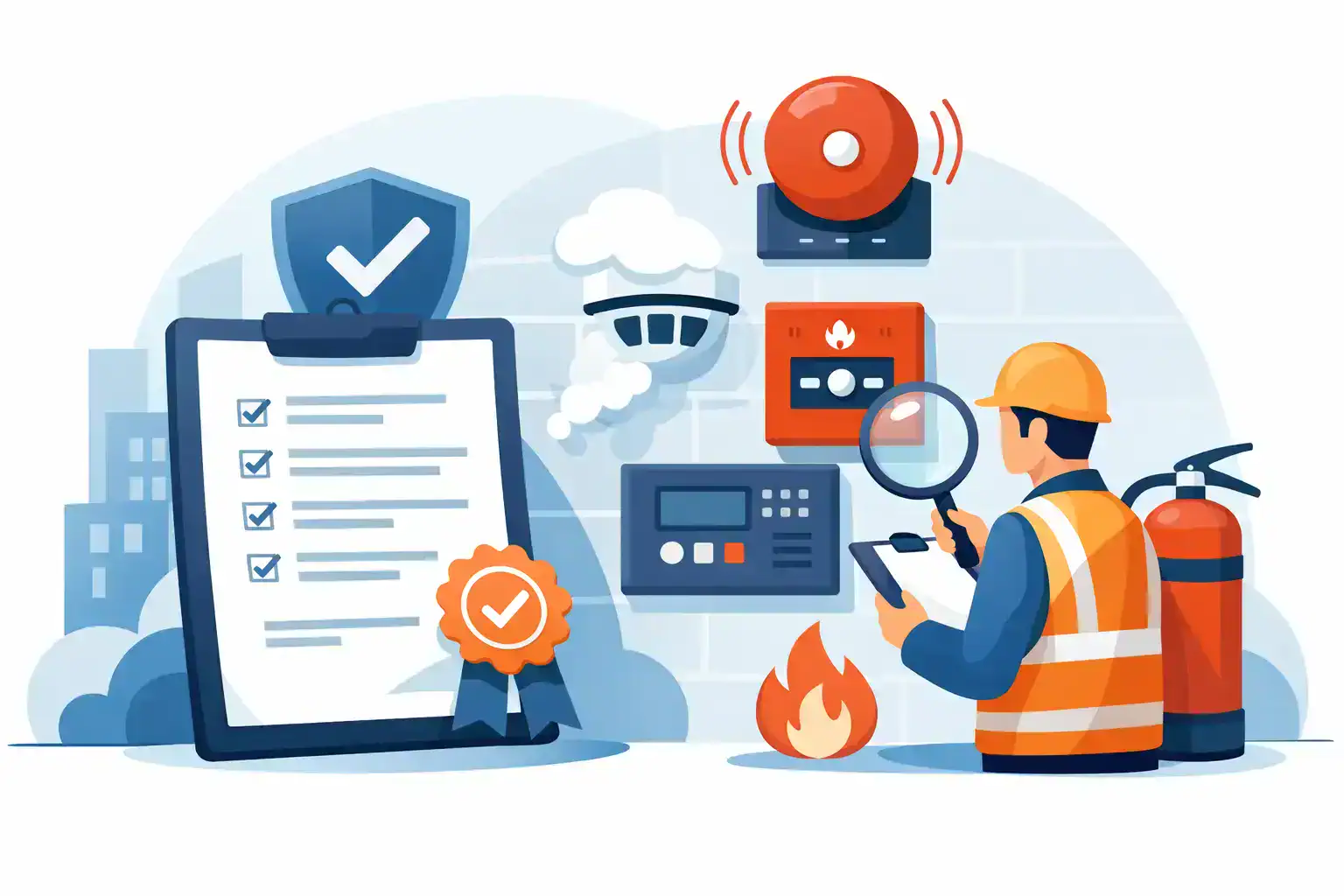
Power Generator Systems (Diesel / Gas)

كل تصميماتنا مطابقة للكود السعودى والدولى

معتمدين من بلدى

معتمدين من امانة الرياض

معتمدين من هيئة مدن

معتمدين من الدفاع المدنى

Learn about the importance of contracting with an accredited engineering consultancy, the conditions and requirements involved, and how to choose the best engineering offices to manage and design your projects effectively and efficiently.
Contact us now or reach us on WhatsApp at the following number:
0557984942

© 2012 All Rights Reserved

Power Generator Systems (Diesel / Gas)


Power Generator Systems: Diesel vs. Gas (A Quick Guide for Small-Scale Use) A small power generator system provides electricity when the grid is unavailable or where there is no grid at all. The two most common fuels for small gensets are diesel and gas (natural gas or propane). Each fuel type has its own advantages, trade-offs, and best-use scenarios. How they work in brief Both diesel and gas generators use an internal combustion engine to drive an electrical alternator. The engine burns fuel to create mechanical power, which the alternator converts into electricity. The output is then sent to a panel with switches, breakers, and often an automatic transfer switch that detects a power outage and starts the generator, reconnecting the building to the grid when power returns. Diesel generators: strengths and considerations - Strengths - Durability and long life: Diesel engines are built for rugged, continuous operation and often outlast gasoline engines under similar duty. - Better fuel efficiency at steady loads: They typically deliver more predictable fuel economy for long outages or continuous use. - Power density for heavier loads: They handle larger loads better, which is helpful for home backup, workshops, or small businesses. - Considerations - Weight and size: Diesel units are heavier and bulkier than many gasoline/gas units. - Noise and emissions: They tend to be louder and produce more particulates unless equipped with modern emissions controls. - Fuel logistics: Diesel must be stored on-site safely and can degrade over time without proper stabilization. - Initial cost: Often higher upfront than small gas units, but operating costs can be favorable over time with long runtimes. Gas (natural gas or propane) generators: strengths and considerations - Strengths - Cleaner and quieter: Gas engines generally burn cleaner and run more quietly, which is appealing for residential neighborhoods. - Easier fuel access: Natural gas can come directly from a utility line, and propane can be stored on-site in tanks, simplifying refueling. - Lower maintenance risk: Spark-ignited gas engines often require less frequent heavy maintenance than some diesel systems. - Considerations - Fuel availability and cost: Natural gas availability depends on a utility service; propane requires on-site storage and periodic tank refills, which can add to ongoing costs. - Lower energy density: In some cases, gas must be supplied at a steady rate to meet load, and running large loads may be less economical than diesel. - Efficiency at varying loads: Gas engines may be less efficient at changing loads and can have higher fuel costs per kWh under heavy, sustained demand. Applications and how to choose - Home standby vs. portable: For home backup power, you’ll commonly choose a standby generator (automatic start during outages) sized to cover essential loads. Portable generators are often gasoline or propane-powered for temporary, lighter loads. - Load assessment: List essential circuits (lighting, refrigeration, heating, communications) and estimate their wattage. Add a safety margin to determine an appropriate kW rating. - Fuel strategy: Consider fuel availability, storage, and odor/emergency needs. If you have natural gas in the building, a natural gas standby generator can be convenient. If you need flexible or off-grid operation, a propane or gasoline portable unit might be better. - Noise, emissions, and space: If you’re in a quiet neighborhood or have space constraints, cleaner-burning gas engines and compact footprints may be important. - Maintenance and service: Look for a brand with local service, easy parts availability, and clear maintenance schedules (oil changes, filters, battery, cooling system). Maintenance basics - Regular servicing: Oil and filter changes, air filter inspection, spark plug or glow plug checks (for gas units), and coolant level checks. - Fuel quality: Use fresh fuel or stabilized fuel, especially for seasonal storage. For diesel, watch for moisture and fuel-biow contamination. - Battery and control system: Keep the starting battery healthy and test the transfer switch or control panel periodically. - Safety: Install and maintain proper ventilation, use carbon monoxide detectors, and follow local codes. Standby systems should be installed by licensed professionals. Bottom line Diesel and gas power generators each suit different needs. Diesel is often the go-to for longer runtimes and heavier loads, while gas offers cleaner operation, easier refueling, and quieter performance for lighter or intermittent use. By assessing your load, fuel availability, space, and maintenance preferences, you can choose a small generator system that provides reliable power when you need it most. If you’d like, tell me your typical load, location (home, workshop, small business), and whether you prefer standby or portable, and I can suggest a tailored option.


Power Generator Systems (Diesel / Gas)

We are a consulting and contracting company in the same group, For pricing or design download our app, For any purchasing please contact us ASAP 


All designs are according to NFPA

© 2020 All Rights Reserved

Engineering & Safety Consulting Company Saudi Arabia
Saif – Engineering & Safety Consulting

Integrated Engineering & Safety Consulting Services

We are a specialized engineering consulting firm delivering comprehensive architectural, structural, mechanical, electrical, fire protection, industrial, oil & gas, and environmental engineering services. All designs, studies, and reports are prepared in full compliance with SBC, NFPA, FIDIC, API, ISO, and Saudi Civil Defense & MODON requirements.

🔧 1. General Engineering Consulting

  • FIDIC Contract Administration & Claims Management
  • Engineering Feasibility Studies & Technical Due Diligence
  • Project Management & Technical Supervision
  • Engineering Risk Analysis for Mega & Industrial Projects

🏗️ 2. Civil & Structural Engineering Consulting

  • Structural design of reinforced concrete & steel buildings
  • High-rise towers, bridges, tunnels, and road structures
  • Geotechnical & soil investigation studies
  • Seismic, wind & load analysis (ETABS / SAFE)
  • Structural assessment & retrofit of existing buildings

📐 3. Architectural Design & Urban Planning

  • Residential, commercial & mixed-use architectural design
  • Façade engineering & sustainable green architecture
  • Urban planning & master planning services
  • BIM modeling & coordination (Revit Architecture)

⚙️ 4. Mechanical Engineering Consulting

  • HVAC systems design & energy optimization
  • Water supply, drainage & plumbing systems
  • Pumping stations, compressors & industrial cooling
  • Fuel systems: Diesel, LPG & Natural Gas
  • Industrial mechanical & process systems

⚡ 5. Electrical Engineering Consulting

  • Low & Medium Voltage (LV/MV) power systems
  • Load calculations, voltage drop & short-circuit studies
  • Solar PV & renewable energy systems
  • Low current & ELV systems design
  • BMS, SCADA, CCTV & Access Control Systems

🔥 6. Fire Protection & Life Safety Engineering

This is our core specialty. All fire protection designs, reports, and approvals are delivered in strict compliance with SBC, NFPA, Saudi Civil Defense, and MODON regulations.

🔴 Firefighting Systems Design

  • Wet, Dry, Pre-Action & Deluge Sprinkler Systems
  • Foam systems, foam monitors & foam standpipes
  • Water Mist systems (NFPA / UL / FM)
  • Fire pump room & hydraulic calculations
  • ESFR, CMSA, CMDA & In-Rack Sprinklers

🔔 Fire Alarm & Detection Systems

  • Addressable, Conventional & Voice Evacuation
  • VESDA, Linear Heat & Video Smoke Detection
  • Smart & IoT-enabled fire detection systems

📄 Fire Safety Studies & Reports

  • Fire Strategy Reports
  • Fire Risk Assessments
  • CFD Smoke & Evacuation Analysis
  • SBC, NFPA & MODON compliance reports
  • Emergency & Evacuation Plans

🏭 7. Industrial Engineering Consulting

  • Factory layout & material flow optimization
  • Production line improvement & lean manufacturing
  • OEE, time & motion studies
  • Industrial piping & process engineering

🛢️ 8. Oil & Gas Engineering Consulting

  • API 650 & API 620 storage tank design
  • LPG, LNG & Natural Gas piping systems
  • Explosion risk & ATEX hazard studies

🌿 9. Environmental Engineering Consulting

  • Environmental Impact Assessments (EIA)
  • Air quality & emission monitoring
  • Waste & hazardous waste management
  • STP, WWTP & grey water systems

📞 Contact Us for Engineering Proposals

WhatsApp / Call: 0557984942

WhatsApp / Call: 0545587404

Email: project.manager@telal-elwatan.com
لقسم الاستشارات الهندسية والتقارير والشهادات ومتطلبات الدفاع المدنى والبلدية و هيئة مدن  يرجى الاتصال على 0557984942

للتوريدات والطلبات الاخرى يرجى ارسال طلبك واتس اب لخدمتكم

بشكل اسرع على احد الارقام التالية 0531433890 

X