Surge Protection Devices (SPD)

كل تصميماتنا مطابقة للكود السعودى والدولى

معتمدين من بلدى

معتمدين من امانة الرياض

معتمدين من هيئة مدن

معتمدين من الدفاع المدنى

Learn about the importance of contracting with an accredited engineering consultancy, the conditions and requirements involved, and how to choose the best engineering offices to manage and design your projects effectively and efficiently.
Contact us now or reach us on WhatsApp at the following number:
0557984942

© 2012 All Rights Reserved

Surge Protection Devices (SPD)


Surge Protection Devices (SPD): A Quick Guide What is an SPD? A Surge Protection Device is a safety component designed to shield electrical equipment from transient overvoltages, or surges. Surges can originate from lightning strikes, utility switching, or faults in the electrical system. An SPD clamps or diverts the excess voltage away from sensitive electronics, helping prevent damage, data loss, and equipment failures. How surges happen and why SPDs matter - Lightning can cause massive, brief voltage spikes that travel through power lines. - Utility switching and fault conditions can create smaller but still damaging surges. - Even normal power quality problems, like rapid on/off cycling of devices, can generate spikes over time. How SPDs work Most SPDs use non-linear devices to conduct surge energy away from protected circuits when the voltage exceeds a safe level. Typical protecting elements include metal-oxide varistors (MOVs), gas discharge tubes, or transient voltage suppressor diodes. When a surge occurs, these elements momentarily become conductive, shunting excess energy to ground or between conductors, and then return to their non-conductive state after the event. Modern SPDs respond in microseconds and are designed to handle energy spikes without passing harmful voltages to connected equipment. Types of SPDs and where they belong - Type 1: Installed at the service entrance or utility connection. They protect against external surges, including lightning, and are positioned before the main distribution panel. - Type 2: Installed at the distribution panel or main circuit panel. They protect against residual surges that pass through the central service, as well as smaller surges from within the building. - Type 3: Point-of-use protection located close to sensitive equipment. These are often used to protect specific devices such as computers, servers, or home entertainment gear. A common setup is Type 2 protection at the main panel, with Type 3 protectors placed near critical devices or at individual outlets. Key specs to understand when choosing an SPD - Let-through voltage (clamping voltage): The maximum voltage that could appear across the protected circuit during a surge. Lower is generally better, but it must be compatible with your equipment. - In rating or nominal discharge current: How much surge current the device can safely divert, usually expressed in kiloamperes (kA). Higher ratings are better for areas with frequent or strong surges. - Energy rating (joules): Indicates the total energy the SPD can absorb over its life. Larger homes or equipment-heavy installations typically need higher joule ratings. - Response time: How quickly the SPD reacts to a surge. Most SPDs respond in nanoseconds to microseconds. - Diagnostic features: LEDs, remote signaling, or smart monitoring that indicate whether the unit is functioning and when replacement is needed. - Standards and testing: Look for products meeting recognized standards such as IEC 61643-1 (global) or UL 1449 (North America). These ensure tested performance and safety criteria. How to choose and where to install - Assess risk: If you’re in a lightning-prone area, or if your property experiences frequent power quality issues, a robust SPD setup is worthwhile. - Plan protection levels: Start with Type 2 SPDs at the main service panel, then add Type 3 units near essential equipment and any data lines you want protected (ethernet, coax, phone lines). - Size appropriately: Match the SPD’s joule rating and In rating to the level of risk and the value of the protected equipment. Critical or expensive electronics deserve higher protection. - Data lines and communication lines: If data integrity matters, consider SPDs designed for data lines or separate protection modules for these paths. - Grounding: An effective SPD depends on a solid electrical grounding system. Ensure your grounding conductor is properly installed and maintained. Installation and maintenance - Always use a qualified electrician for installation. Improper grounding or wiring can reduce effectiveness and create safety hazards. - Verify compatibility: Ensure the SPD is rated for your electrical system (voltage, phases, and the type of service). - Regular checks: Many SPDs include status indicators. Replace the unit or module when indicated by diagnostics or after a significant surge event. Myths to avoid - “A single surge protector in a strip will protect all devices.” High-quality SPDs at the service entrance or main panel, plus point-of-use protection for sensitive gear, provide much stronger protection. - “SPDs prevent all damage.” They reduce risk but do not guarantee protection from every surge; proper grounding and good electrical practices are essential. In short Surge Protection Devices are a wise investment for protecting modern electronics, home networks, and critical equipment from unpredictable voltage spikes. By choosing appropriate Type 1/2/3 configurations, understanding key specifications, and ensuring proper installation and maintenance, households and businesses can significantly reduce the risk of surge-related damage and data loss. If you’re unsure about your specific setup, consult a qualified electrician or electrical safety professional.


Surge Protection Devices (SPD)

We are a consulting and contracting company in the same group, For pricing or design download our app, For any purchasing please contact us ASAP 


All designs are according to NFPA

© 2020 All Rights Reserved

Engineering & Safety Consulting Company Saudi Arabia
Saif – Engineering & Safety Consulting

Integrated Engineering & Safety Consulting Services

We are a specialized engineering consulting firm delivering comprehensive architectural, structural, mechanical, electrical, fire protection, industrial, oil & gas, and environmental engineering services. All designs, studies, and reports are prepared in full compliance with SBC, NFPA, FIDIC, API, ISO, and Saudi Civil Defense & MODON requirements.

🔧 1. General Engineering Consulting

  • FIDIC Contract Administration & Claims Management
  • Engineering Feasibility Studies & Technical Due Diligence
  • Project Management & Technical Supervision
  • Engineering Risk Analysis for Mega & Industrial Projects

🏗️ 2. Civil & Structural Engineering Consulting

  • Structural design of reinforced concrete & steel buildings
  • High-rise towers, bridges, tunnels, and road structures
  • Geotechnical & soil investigation studies
  • Seismic, wind & load analysis (ETABS / SAFE)
  • Structural assessment & retrofit of existing buildings

📐 3. Architectural Design & Urban Planning

  • Residential, commercial & mixed-use architectural design
  • Façade engineering & sustainable green architecture
  • Urban planning & master planning services
  • BIM modeling & coordination (Revit Architecture)

⚙️ 4. Mechanical Engineering Consulting

  • HVAC systems design & energy optimization
  • Water supply, drainage & plumbing systems
  • Pumping stations, compressors & industrial cooling
  • Fuel systems: Diesel, LPG & Natural Gas
  • Industrial mechanical & process systems

⚡ 5. Electrical Engineering Consulting

  • Low & Medium Voltage (LV/MV) power systems
  • Load calculations, voltage drop & short-circuit studies
  • Solar PV & renewable energy systems
  • Low current & ELV systems design
  • BMS, SCADA, CCTV & Access Control Systems

🔥 6. Fire Protection & Life Safety Engineering

This is our core specialty. All fire protection designs, reports, and approvals are delivered in strict compliance with SBC, NFPA, Saudi Civil Defense, and MODON regulations.

🔴 Firefighting Systems Design

  • Wet, Dry, Pre-Action & Deluge Sprinkler Systems
  • Foam systems, foam monitors & foam standpipes
  • Water Mist systems (NFPA / UL / FM)
  • Fire pump room & hydraulic calculations
  • ESFR, CMSA, CMDA & In-Rack Sprinklers

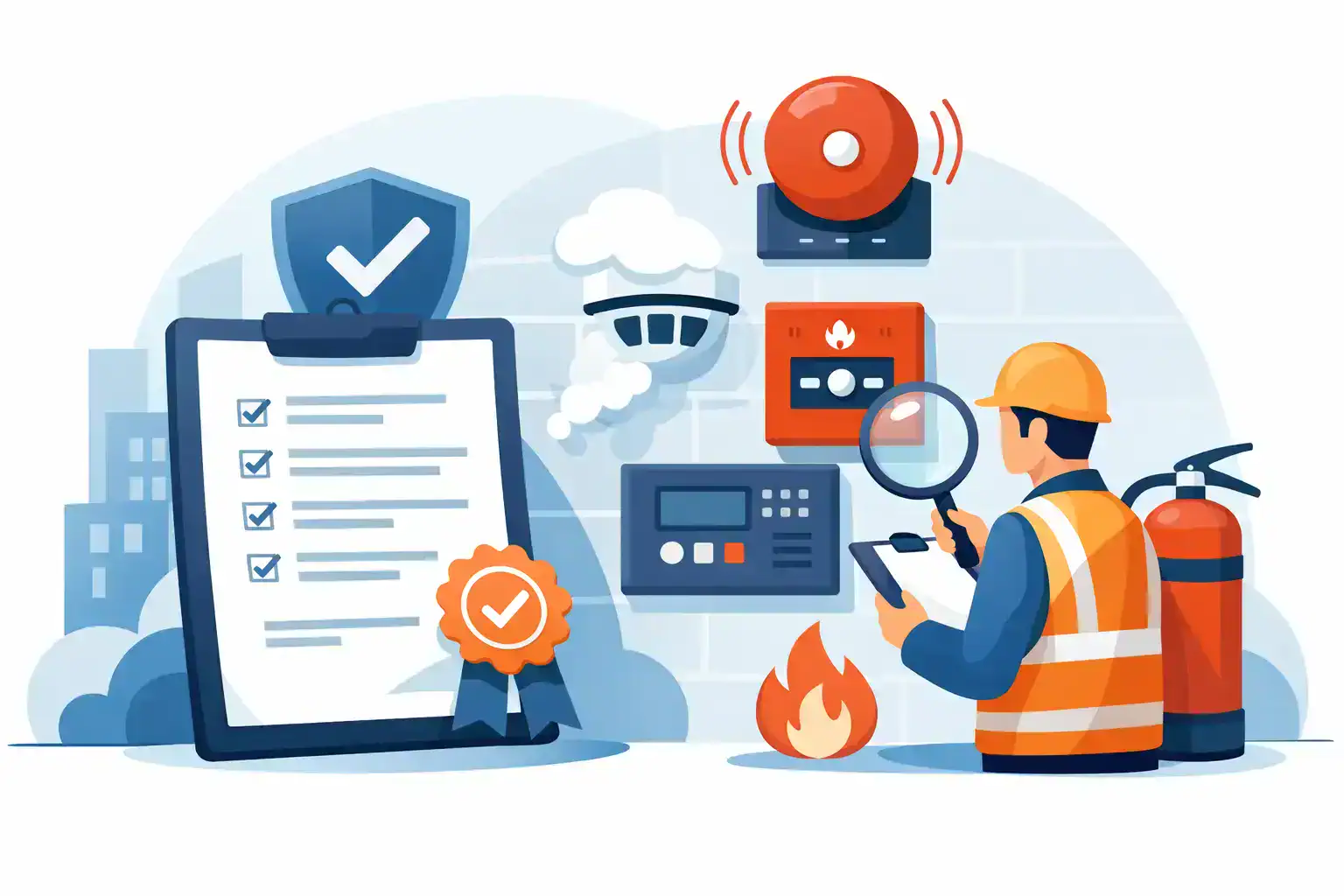
🔔 Fire Alarm & Detection Systems

  • Addressable, Conventional & Voice Evacuation
  • VESDA, Linear Heat & Video Smoke Detection
  • Smart & IoT-enabled fire detection systems

📄 Fire Safety Studies & Reports

  • Fire Strategy Reports
  • Fire Risk Assessments
  • CFD Smoke & Evacuation Analysis
  • SBC, NFPA & MODON compliance reports
  • Emergency & Evacuation Plans

🏭 7. Industrial Engineering Consulting

  • Factory layout & material flow optimization
  • Production line improvement & lean manufacturing
  • OEE, time & motion studies
  • Industrial piping & process engineering

🛢️ 8. Oil & Gas Engineering Consulting

  • API 650 & API 620 storage tank design
  • LPG, LNG & Natural Gas piping systems
  • Explosion risk & ATEX hazard studies

🌿 9. Environmental Engineering Consulting

  • Environmental Impact Assessments (EIA)
  • Air quality & emission monitoring
  • Waste & hazardous waste management
  • STP, WWTP & grey water systems

📞 Contact Us for Engineering Proposals

WhatsApp / Call: 0557984942

WhatsApp / Call: 0545587404

Email: project.manager@telal-elwatan.com

لقسم الاستشارات الهندسية والتقارير والشهادات ومتطلبات الدفاع المدنى والبلدية و هيئة مدن  يرجى الاتصال على 0557984942

للتوريدات والطلبات الاخرى يرجى ارسال طلبك واتس اب لخدمتكم

بشكل اسرع على احد الارقام التالية 0531433890 

X