Wireless EV Charging

كل تصميماتنا مطابقة للكود السعودى والدولى

معتمدين من بلدى

معتمدين من امانة الرياض

معتمدين من هيئة مدن

معتمدين من الدفاع المدنى

Learn about the importance of contracting with an accredited engineering consultancy, the conditions and requirements involved, and how to choose the best engineering offices to manage and design your projects effectively and efficiently.
Contact us now or reach us on WhatsApp at the following number:
0557984942

© 2012 All Rights Reserved

Wireless EV Charging


Wireless EV Charging: A short overview Wireless charging for electric vehicles uses electromagnetic fields to transfer energy from a pad installed on the ground to a coil inside the car, eliminating the need for a physical cable and plug. When the car is parked over the charger, electricity from the grid is converted into high-frequency AC, sent through a transmitter coil, and picked up by a receiver coil in the vehicle. The car’s onboard charger then converts that energy into DC to charge the battery. How it works in practice - Components: A ground-based transmitter pad and an onboard receiver coil, plus power electronics to manage the AC and the charging process. - Principle: Resonant inductive coupling or near-field wireless power transfer. The system creates a magnetic field that couples energy from pad to car, with distance and alignment affecting performance. - Power and efficiency: Stationary wireless charging typically offers a few kilowatts to around 22 kW at home or in public spots, with higher-power systems available in pilots and commercial setups. Efficiency is usually in the 85–95% range, influenced by alignment, pad design, and vehicle geometry. - Standards and safety: Standards work, such as SAE J2954 in some markets, aims to enable interoperability between vehicles and chargers. Safety features include automatic shutoff if misalignment occurs, shielding to limit electromagnetic exposure, and foreign-object detection to prevent heating or damage. Benefits and trade-offs - Convenience: No plugged-in cable means easier and cleaner parking, less wear on the charging inlet, and better protection from weather. - Accessibility for fleets: Public or workplace charging can be simpler and more durable for high-usage environments. - Trade-offs: Higher installation costs, need for precise alignment, and some energy loss compared with plugged charging. System costs continue to come down as technology matures and standards stabilize. Where it’s today and what’s coming - Current use: You’ll find stationary wireless charging in some homes, commercial lots, and pilot programs for fleets and select cities. It’s most common at lower power levels suitable for overnight or long parking sessions. - The road ahead: Ongoing standardization aims to improve interoperability and efficiency. Research into higher-power wireless charging and dynamic (in-motion) charging continues, with the potential to extend driving ranges and reduce charging stops in the future. Bottom line Wireless EV charging offers a convenient, cable-free way to recharge electric vehicles, especially for parked scenarios. While it’s not yet as widespread or as universally efficient as plug-in charging, advances in power levels, efficiency, and standards are helping it gain traction as a practical option for everyday charging and future mobility systems.


Wireless EV Charging

We are a consulting and contracting company in the same group, For pricing or design download our app, For any purchasing please contact us ASAP 


All designs are according to NFPA

© 2020 All Rights Reserved

Engineering & Safety Consulting Company Saudi Arabia
Saif – Engineering & Safety Consulting

Integrated Engineering & Safety Consulting Services

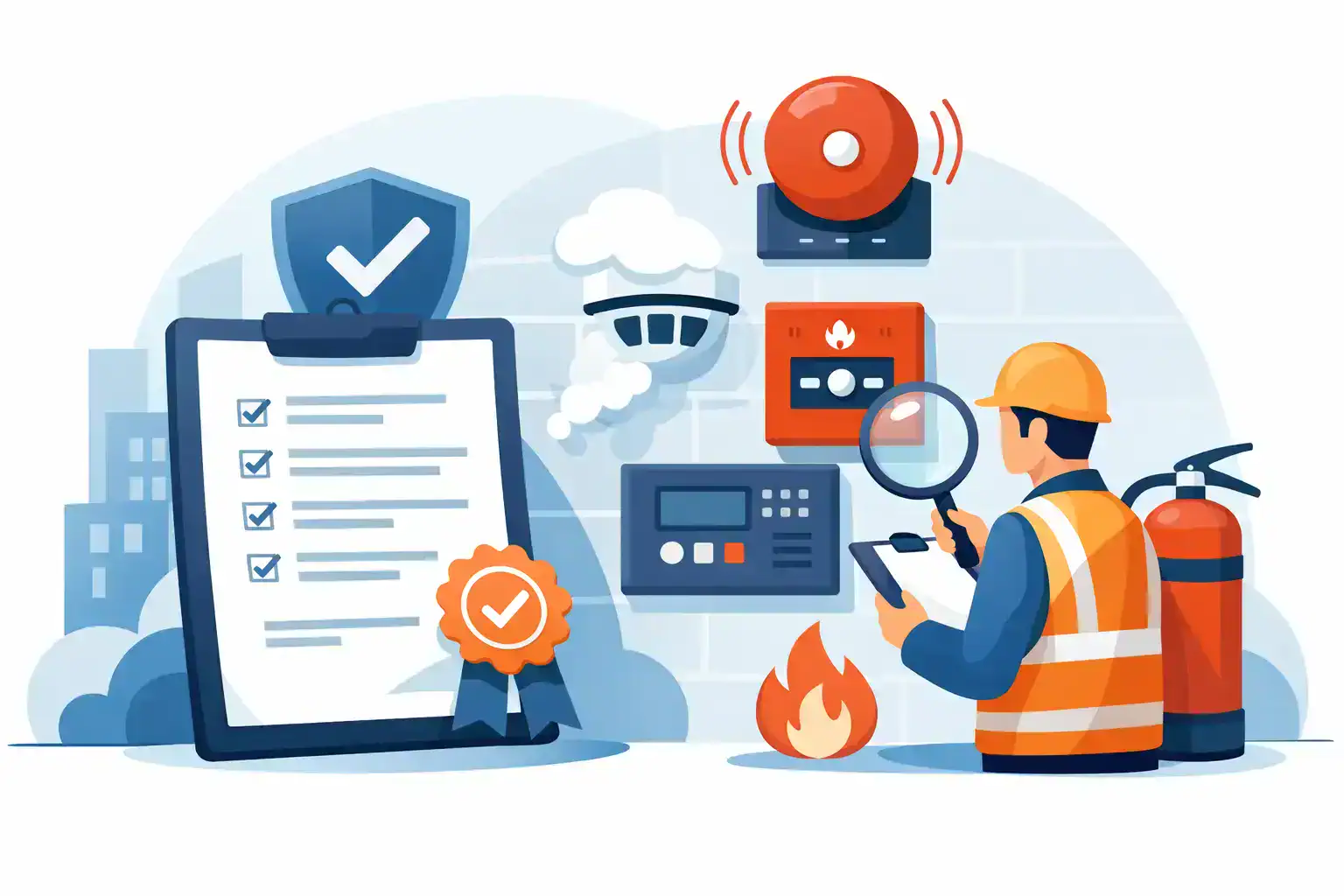
We are a specialized engineering consulting firm delivering comprehensive architectural, structural, mechanical, electrical, fire protection, industrial, oil & gas, and environmental engineering services. All designs, studies, and reports are prepared in full compliance with SBC, NFPA, FIDIC, API, ISO, and Saudi Civil Defense & MODON requirements.

🔧 1. General Engineering Consulting

  • FIDIC Contract Administration & Claims Management
  • Engineering Feasibility Studies & Technical Due Diligence
  • Project Management & Technical Supervision
  • Engineering Risk Analysis for Mega & Industrial Projects

🏗️ 2. Civil & Structural Engineering Consulting

  • Structural design of reinforced concrete & steel buildings
  • High-rise towers, bridges, tunnels, and road structures
  • Geotechnical & soil investigation studies
  • Seismic, wind & load analysis (ETABS / SAFE)
  • Structural assessment & retrofit of existing buildings

📐 3. Architectural Design & Urban Planning

  • Residential, commercial & mixed-use architectural design
  • Façade engineering & sustainable green architecture
  • Urban planning & master planning services
  • BIM modeling & coordination (Revit Architecture)

⚙️ 4. Mechanical Engineering Consulting

  • HVAC systems design & energy optimization
  • Water supply, drainage & plumbing systems
  • Pumping stations, compressors & industrial cooling
  • Fuel systems: Diesel, LPG & Natural Gas
  • Industrial mechanical & process systems

⚡ 5. Electrical Engineering Consulting

  • Low & Medium Voltage (LV/MV) power systems
  • Load calculations, voltage drop & short-circuit studies
  • Solar PV & renewable energy systems
  • Low current & ELV systems design
  • BMS, SCADA, CCTV & Access Control Systems

🔥 6. Fire Protection & Life Safety Engineering

This is our core specialty. All fire protection designs, reports, and approvals are delivered in strict compliance with SBC, NFPA, Saudi Civil Defense, and MODON regulations.

🔴 Firefighting Systems Design

  • Wet, Dry, Pre-Action & Deluge Sprinkler Systems
  • Foam systems, foam monitors & foam standpipes
  • Water Mist systems (NFPA / UL / FM)
  • Fire pump room & hydraulic calculations
  • ESFR, CMSA, CMDA & In-Rack Sprinklers

🔔 Fire Alarm & Detection Systems

  • Addressable, Conventional & Voice Evacuation
  • VESDA, Linear Heat & Video Smoke Detection
  • Smart & IoT-enabled fire detection systems

📄 Fire Safety Studies & Reports

  • Fire Strategy Reports
  • Fire Risk Assessments
  • CFD Smoke & Evacuation Analysis
  • SBC, NFPA & MODON compliance reports
  • Emergency & Evacuation Plans

🏭 7. Industrial Engineering Consulting

  • Factory layout & material flow optimization
  • Production line improvement & lean manufacturing
  • OEE, time & motion studies
  • Industrial piping & process engineering

🛢️ 8. Oil & Gas Engineering Consulting

  • API 650 & API 620 storage tank design
  • LPG, LNG & Natural Gas piping systems
  • Explosion risk & ATEX hazard studies

🌿 9. Environmental Engineering Consulting

  • Environmental Impact Assessments (EIA)
  • Air quality & emission monitoring
  • Waste & hazardous waste management
  • STP, WWTP & grey water systems

📞 Contact Us for Engineering Proposals

WhatsApp / Call: 0557984942

WhatsApp / Call: 0545587404

Email: project.manager@telal-elwatan.com
لقسم الاستشارات الهندسية والتقارير والشهادات ومتطلبات الدفاع المدنى والبلدية و هيئة مدن  يرجى الاتصال على 0557984942

للتوريدات والطلبات الاخرى يرجى ارسال طلبك واتس اب لخدمتكم

بشكل اسرع على احد الارقام التالية 0531433890 

X